
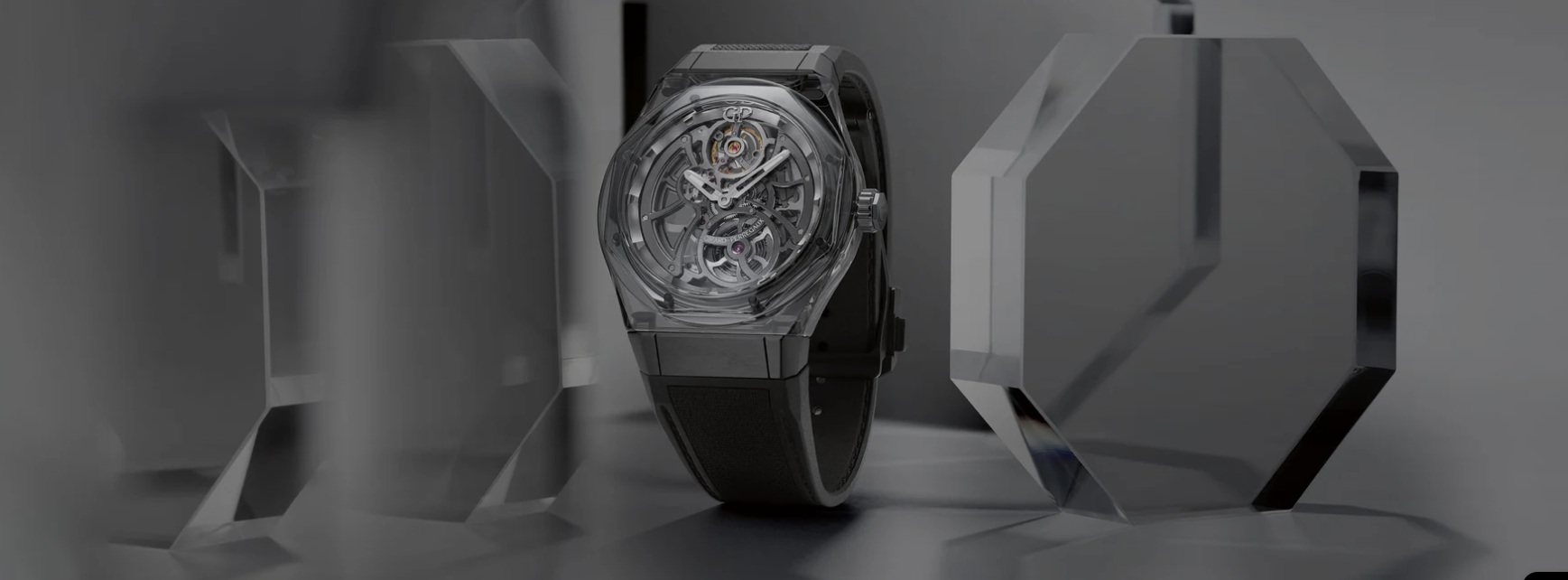
London's Official Giraard Perregaux Retailer
Giraard Perregaux Watches At Swiss Gallery
For more than two centuries, Girard-Perregaux has done more than measure time, it has shaped it. The Maison stands at the intersection of heritage and innovation, uniting historical craftsmanship with forward-looking design. This balance between past and future, precision and expression, is embedded in its very identity, which traces back to the union of Constant Girard and Marie Perregaux in 1854.
Across its collections, Girard-Perregaux expresses Swiss haute horlogerie through a diverse language of materials and forms. Whether crafted in architectural steel, advanced lightweight titanium, classic gold, or set with brilliant-cut diamonds, each timepiece reflects a commitment to both technical excellence and aesthetic refinement. Mechanical and automatic creations alike are conceived to resonate universally, blending function with enduring design.
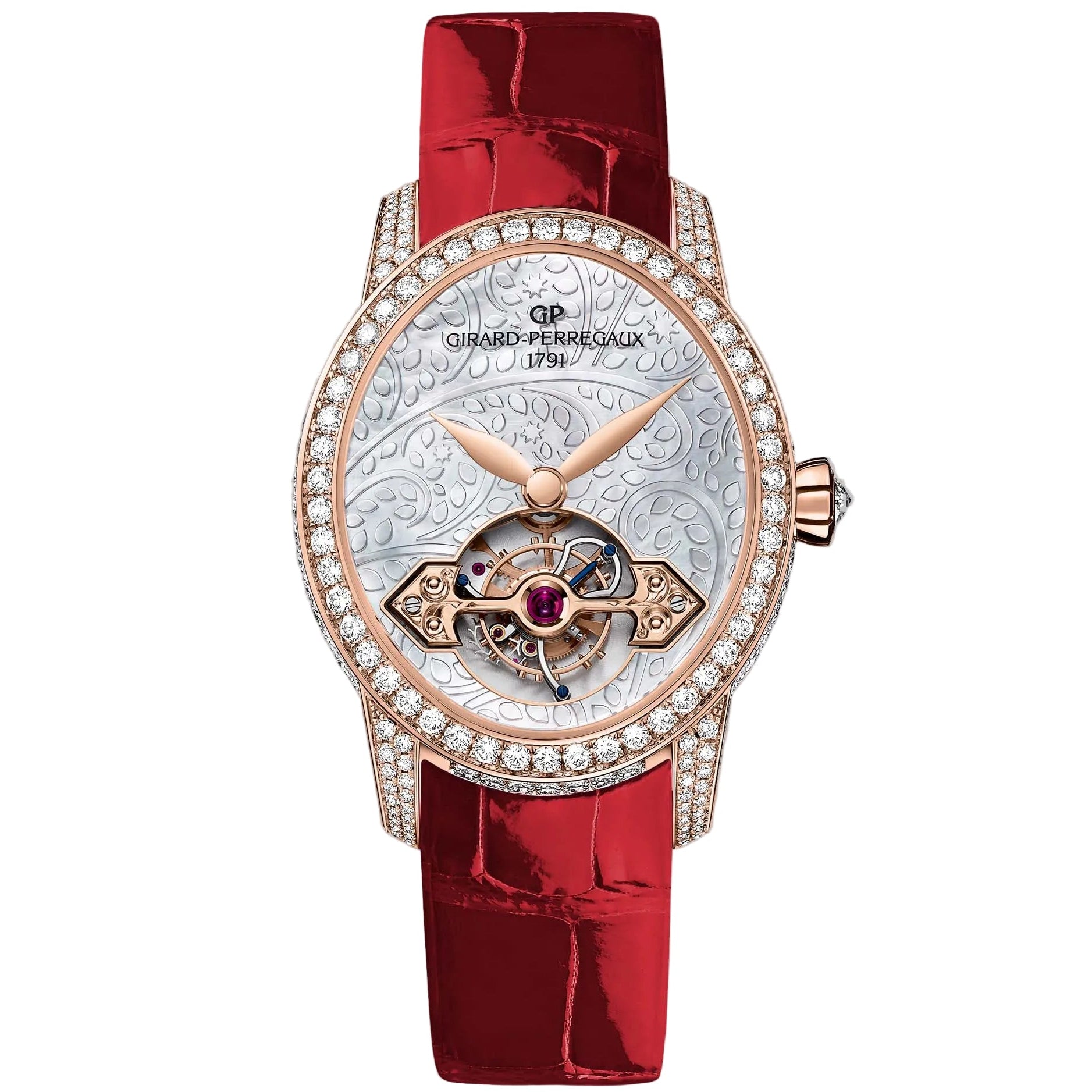
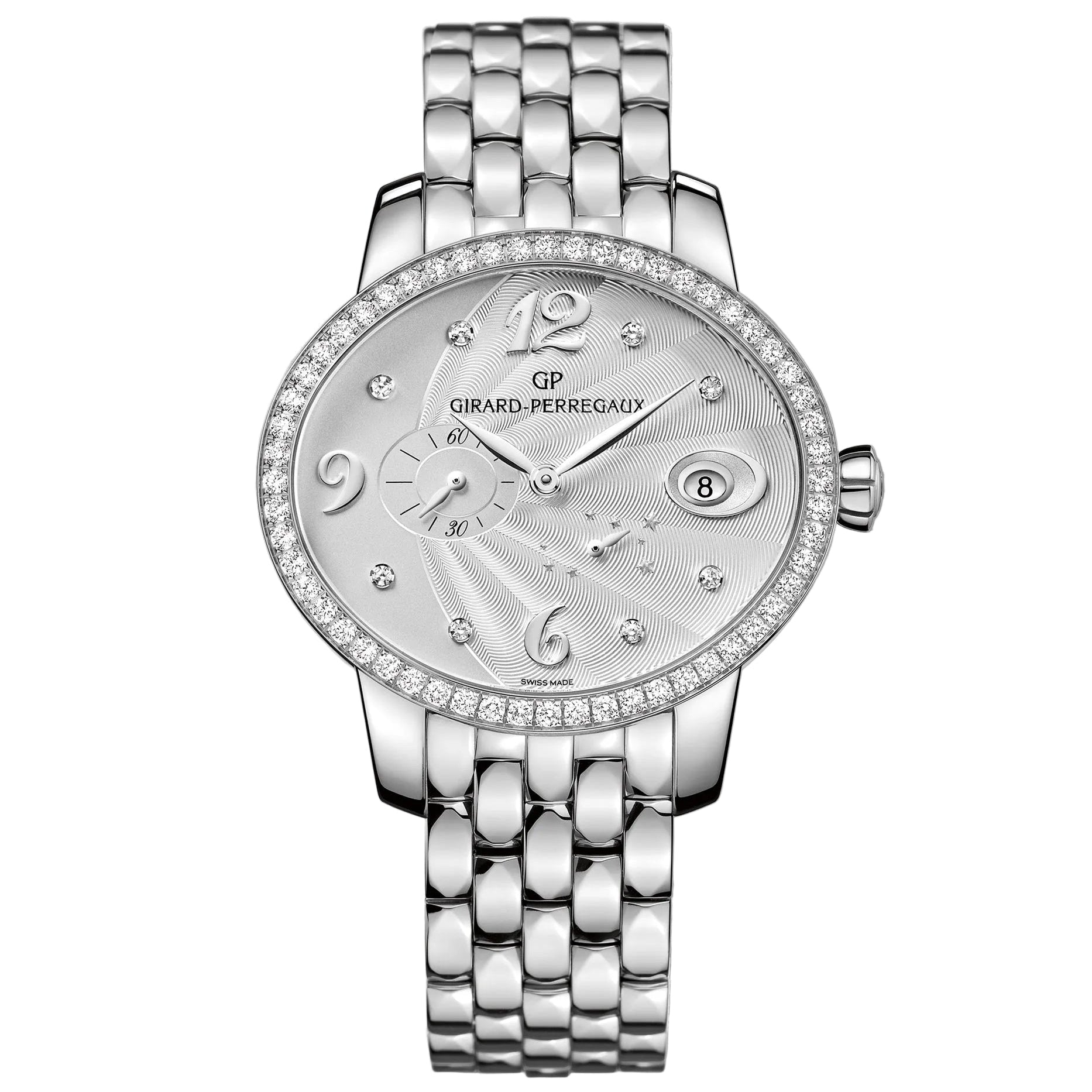
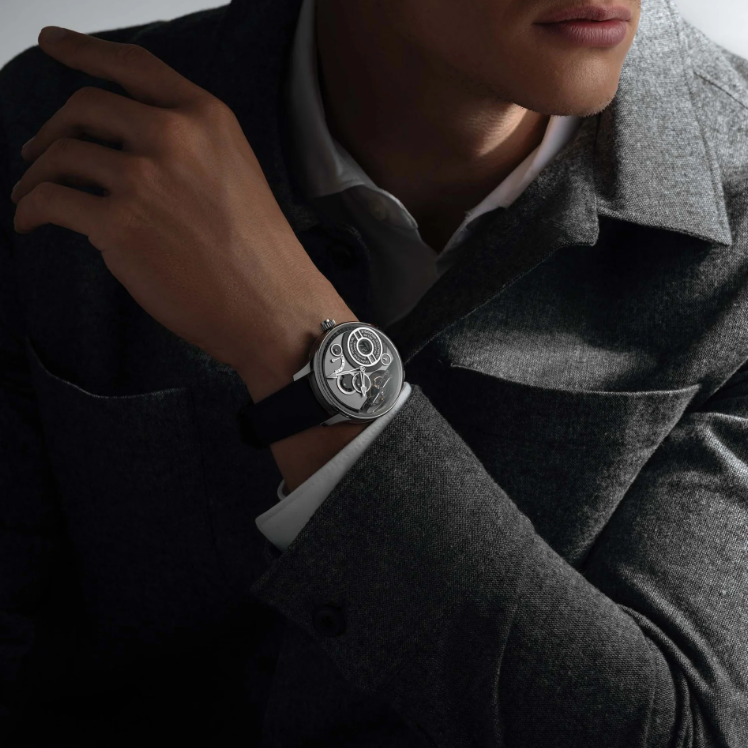
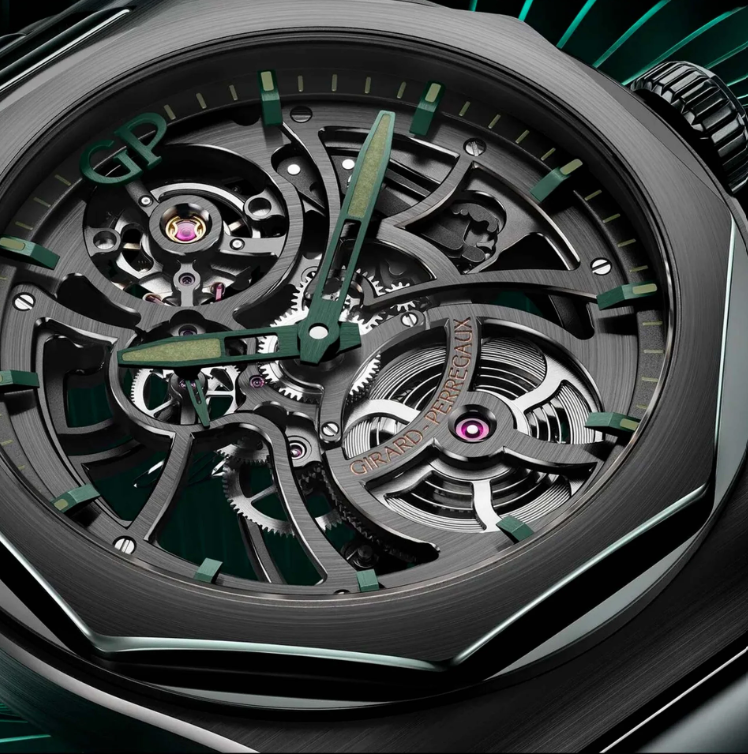
Every timepiece reveals the mechanics that define it.
The art of visible precision
Girard-Perregaux watches are defined by a distinctive balance of technical mastery and architectural design, where the movement is not hidden but intentionally revealed as part of the aesthetic identity. Rather than treating mechanics as purely functional, the Maison integrates them into the visual language of the watch, creating timepieces where bridges, plates, and gear trains become design features in their own right.
This philosophy is most famously expressed through the signature Three Bridges construction, a structural approach that transforms the movement into a visible, symmetrical composition, blending engineering precision with sculptural clarity.
The geometry of time
Giraard Perregaux expresses time not as abstraction, but as structure. Measured, visible, and deliberately formed through engineering precision.

Giraard Perregaux
CRAFTING HISTORY
Girard-Perregaux traces its origins to the late 18th century, beginning in 1791 with Jean-François Bautte in Geneva, a pioneering watchmaker, goldsmith, and jeweller who brought together multiple crafts under one roof. This early integration of disciplines is often regarded as one of the first true expressions of modern watch manufacturing, laying the foundation for a holistic approach to timepiece creation where engineering and artistry were developed side by side. Over time, this spirit of innovation and independence became embedded in the identity of the Maison.
The modern form of Girard-Perregaux began to take shape in 1852, when Constant Girard established his own workshop in La Chaux-de-Fonds, later marrying Marie Perregaux in 1854 and formally founding the Maison in 1856. From this union emerged a legacy defined by technical invention and aesthetic ambition, most notably the iconic Tourbillon with Three Gold Bridges, which redefined movement architecture by exposing structural elements as design features. Through subsequent generations and strategic mergers, including the integration of the Bautte House in the early 20th century, Girard-Perregaux evolved into a fully unified manufacture, carrying forward a heritage built on precision, creativity, and mechanical innovation.
Need help?
Frequently Asked Questions
Girard-Perregaux is one of Switzerland's oldest independent watch manufactures, with a heritage dating back to 1791. Renowned for combining technical innovation with exceptional craftsmanship, the Maison is celebrated for iconic creations such as the Three Bridges architecture and the Laureato collection, producing luxury timepieces that unite precision engineering with timeless design.
Swiss Gallery offers a carefully curated selection of Girard-Perregaux collections, including the iconic Laureato, Bridges, Cat's Eye and Legacy Editions. From elegant everyday timepieces to exceptional haute horlogerie creations, each watch reflects the Maison's commitment to innovation, in-house craftsmanship and enduring Swiss watchmaking excellence.
Yes. We invite you to visit our Bond Street showroom to experience Girard-Perregaux watches in person. Our specialists can introduce you to the different collections, explain the unique movements and craftsmanship behind each model, and help you select the ideal timepiece for your collection or lifestyle.
Swiss Gallery offers a personalised luxury buying experience, combining expert advice with access to one of Switzerland's most respected independent watch manufactures. Whether you're interested in the legendary Laureato, the architectural Bridges collection or a rare haute horlogerie masterpiece, our experienced team provides trusted guidance, worldwide concierge services and exceptional customer care from our Bond Street showroom.