
London's Official Greubel Forsey Retailer
Greubel Forsey Watches At Swiss Gallery
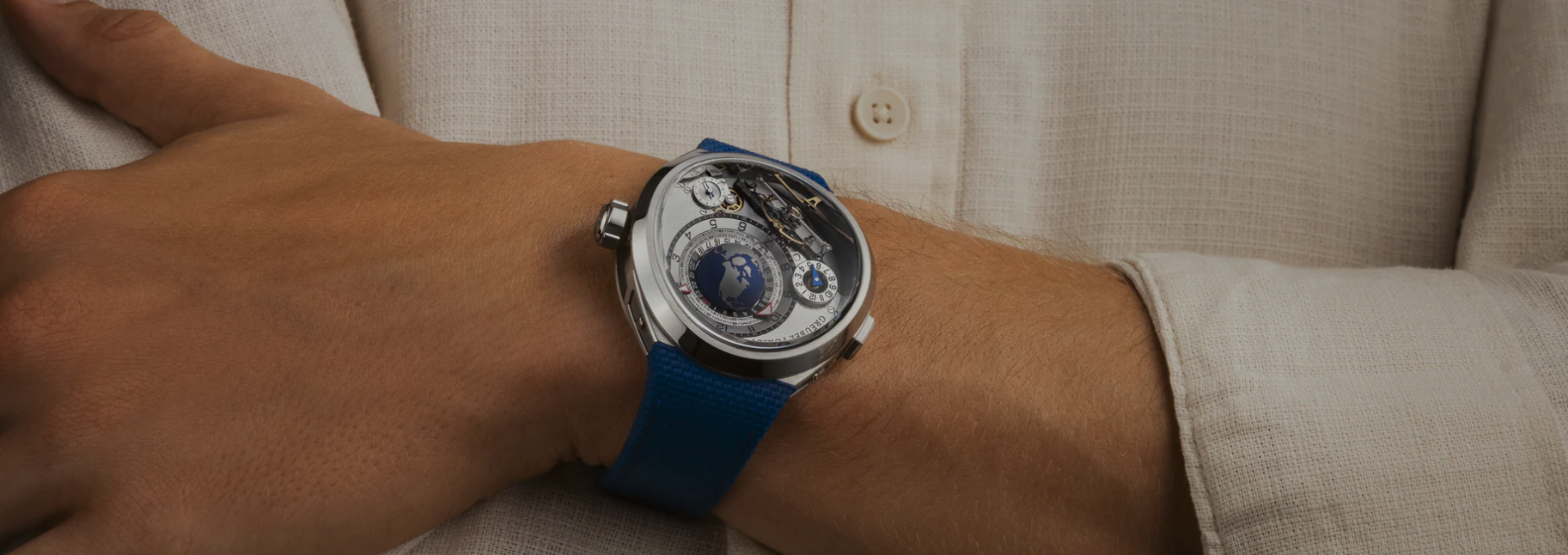
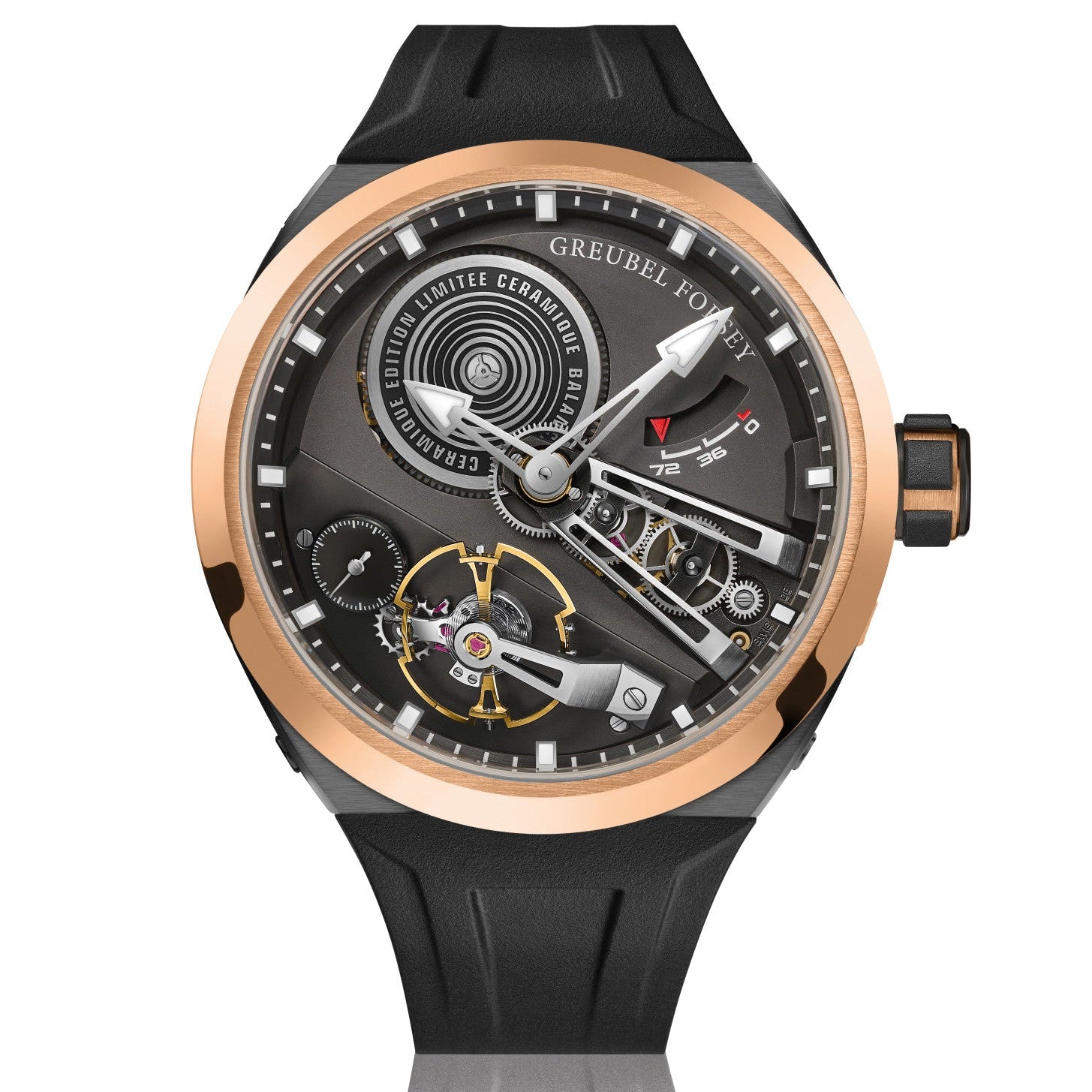
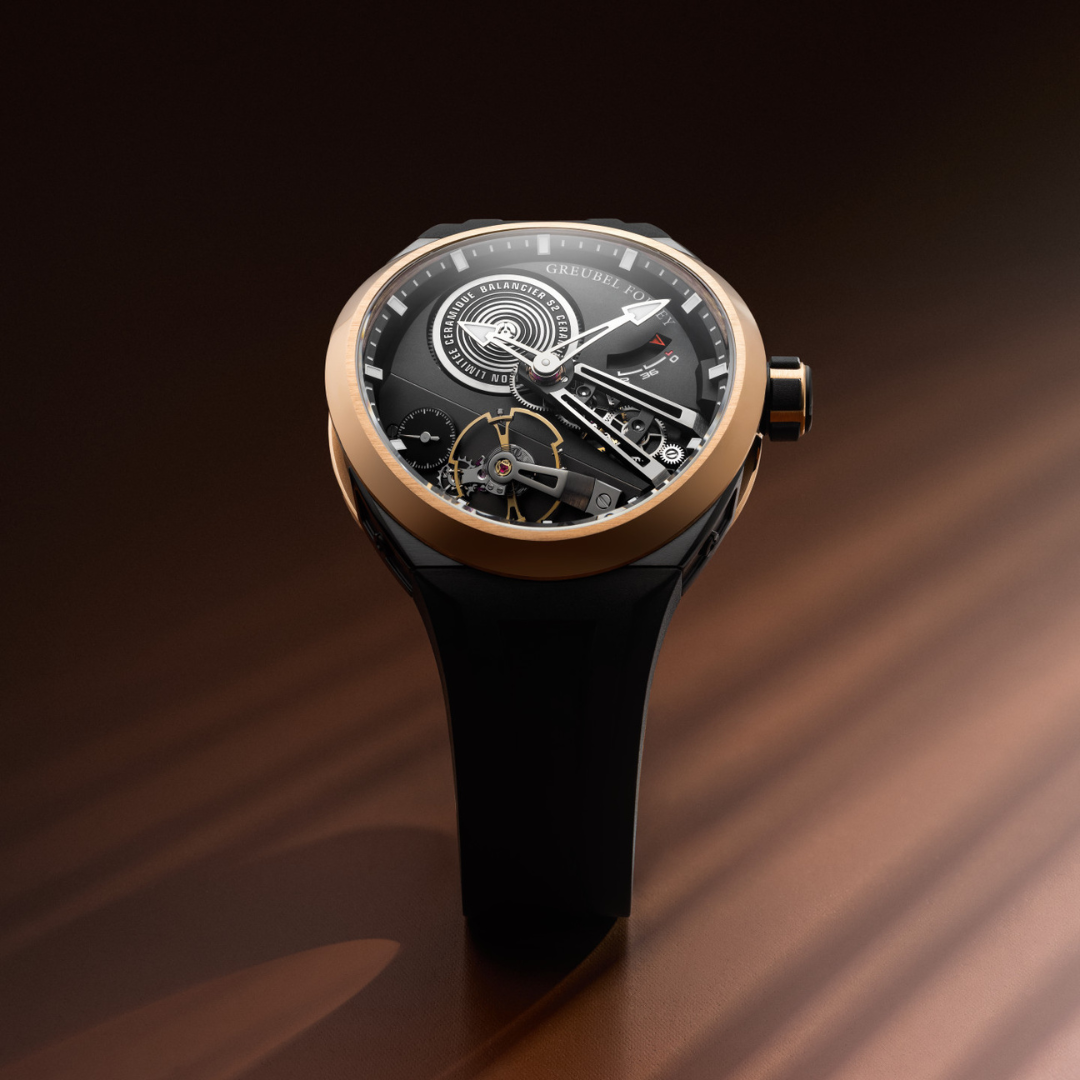
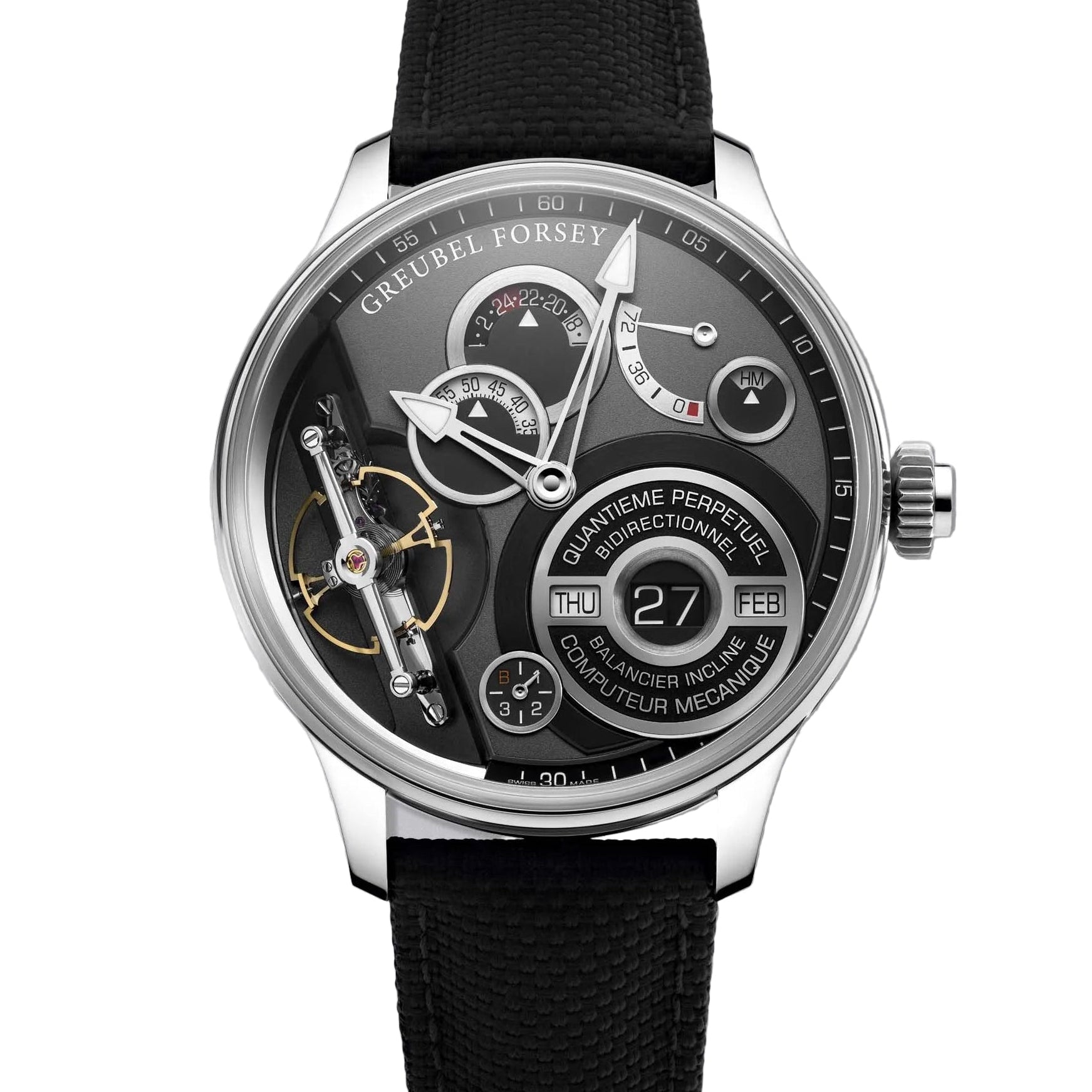
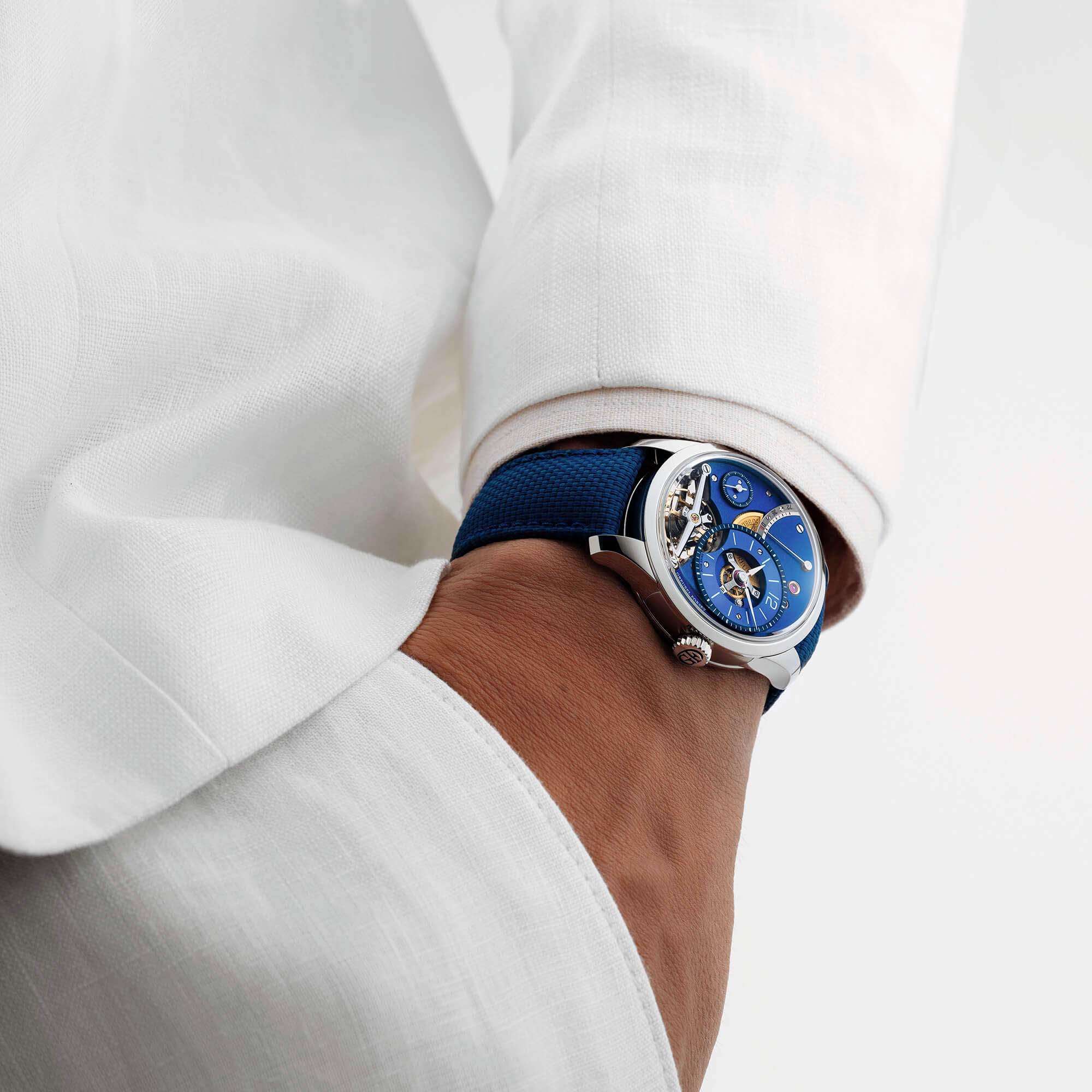
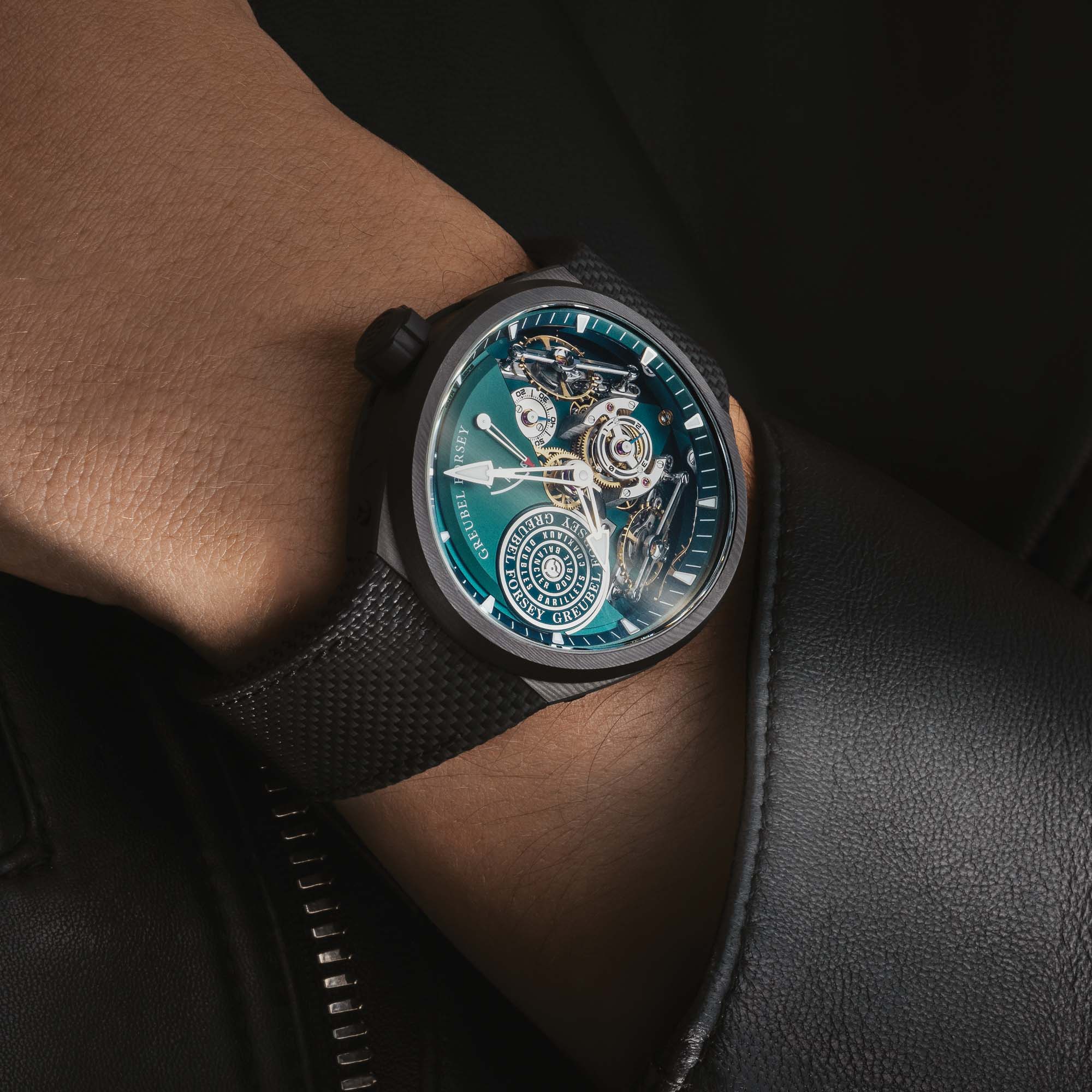
Champions of precision and refinement, Greubel Forsey has, since its founding, established itself as a defining force in contemporary haute horlogerie. Renowned for its pursuit of mechanical advancement, the manufacture has introduced a series of patented Fundamental Inventions that have redefined the limits of accuracy, stability, and chronometric performance. Setting new standards within the world of fine watchmaking.
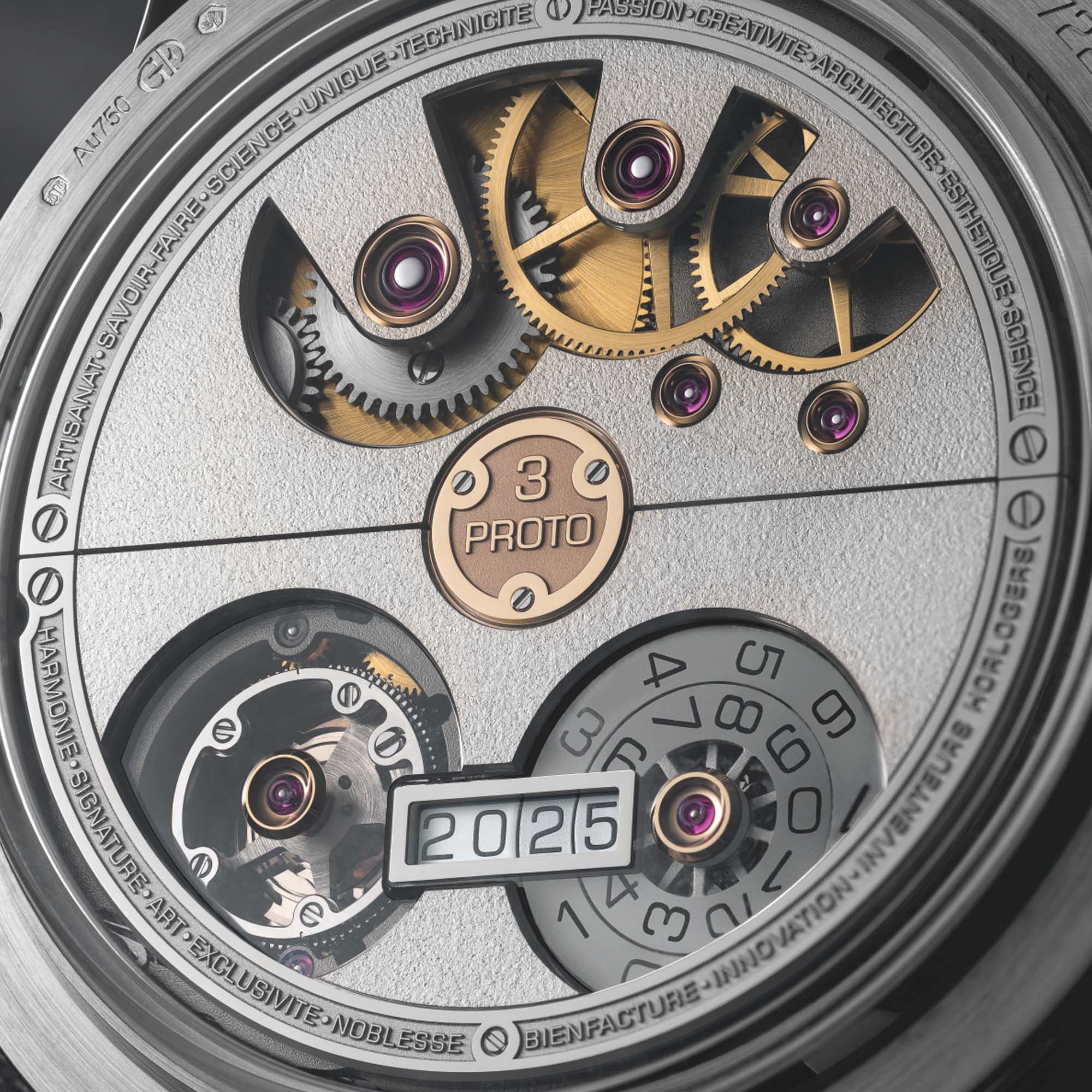
Each Greubel Forsey timepiece reflects a meticulous balance of technical ingenuity and aesthetic clarity, where movement architecture and visual design are conceived as one. Every component is considered, every detail intentional, resulting in creations that embody both intellectual depth and artistic expression. At Swiss Gallery UK, we present Greubel Forsey as a study in modern watchmaking excellence, where innovation and craftsmanship converge to shape a distinctly elevated vision of luxury.

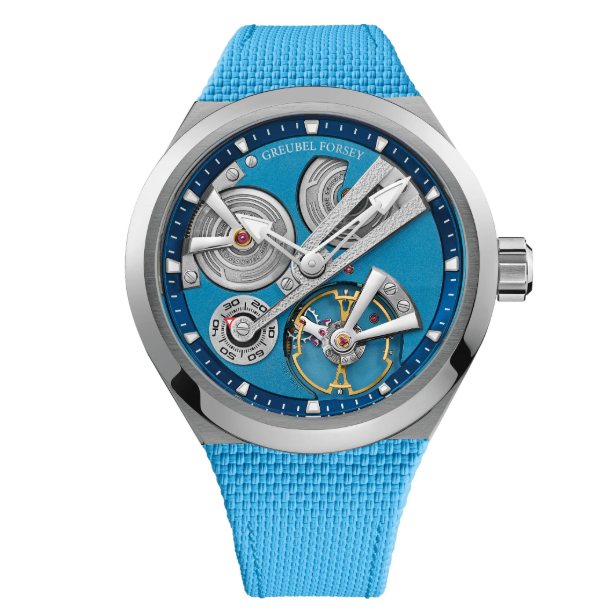
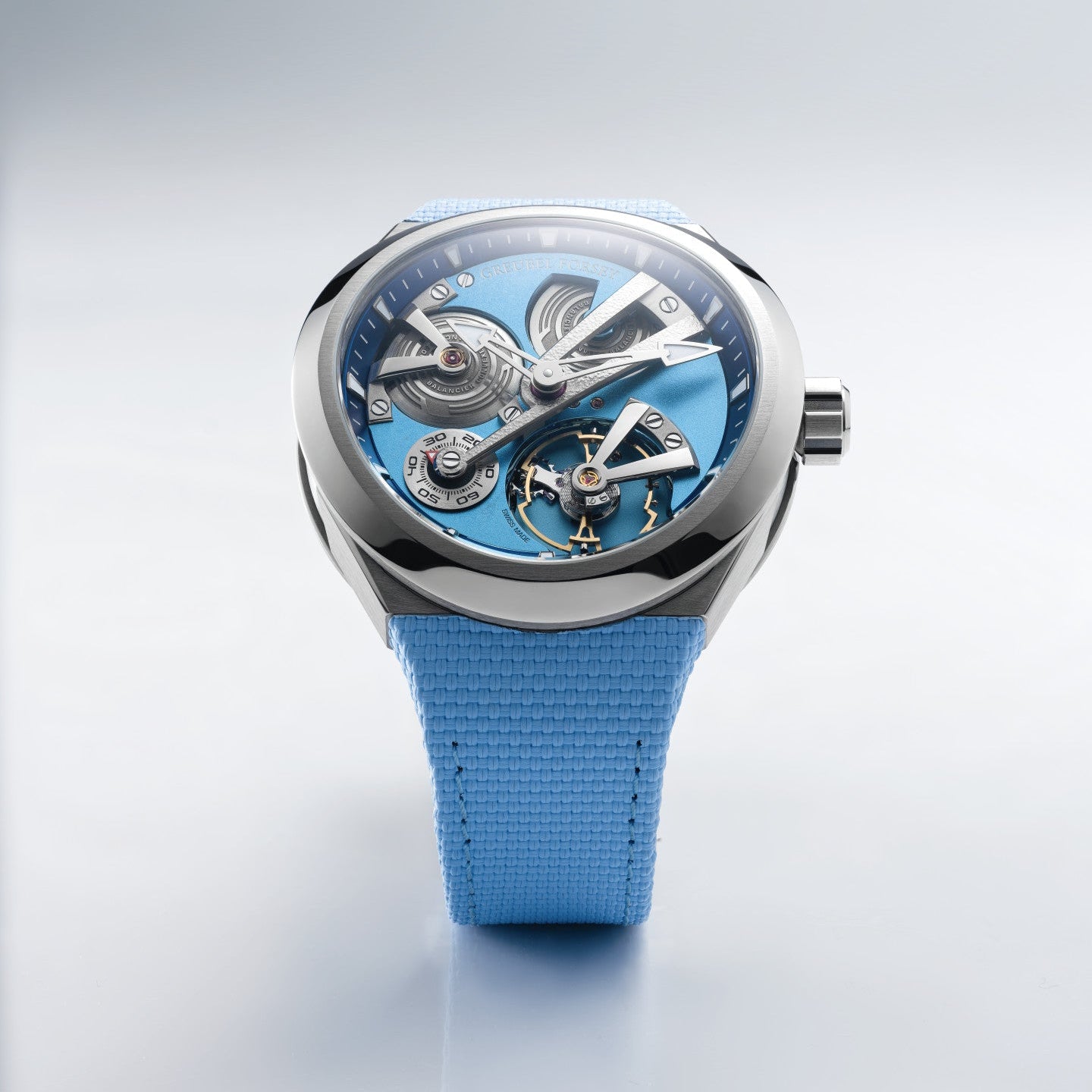
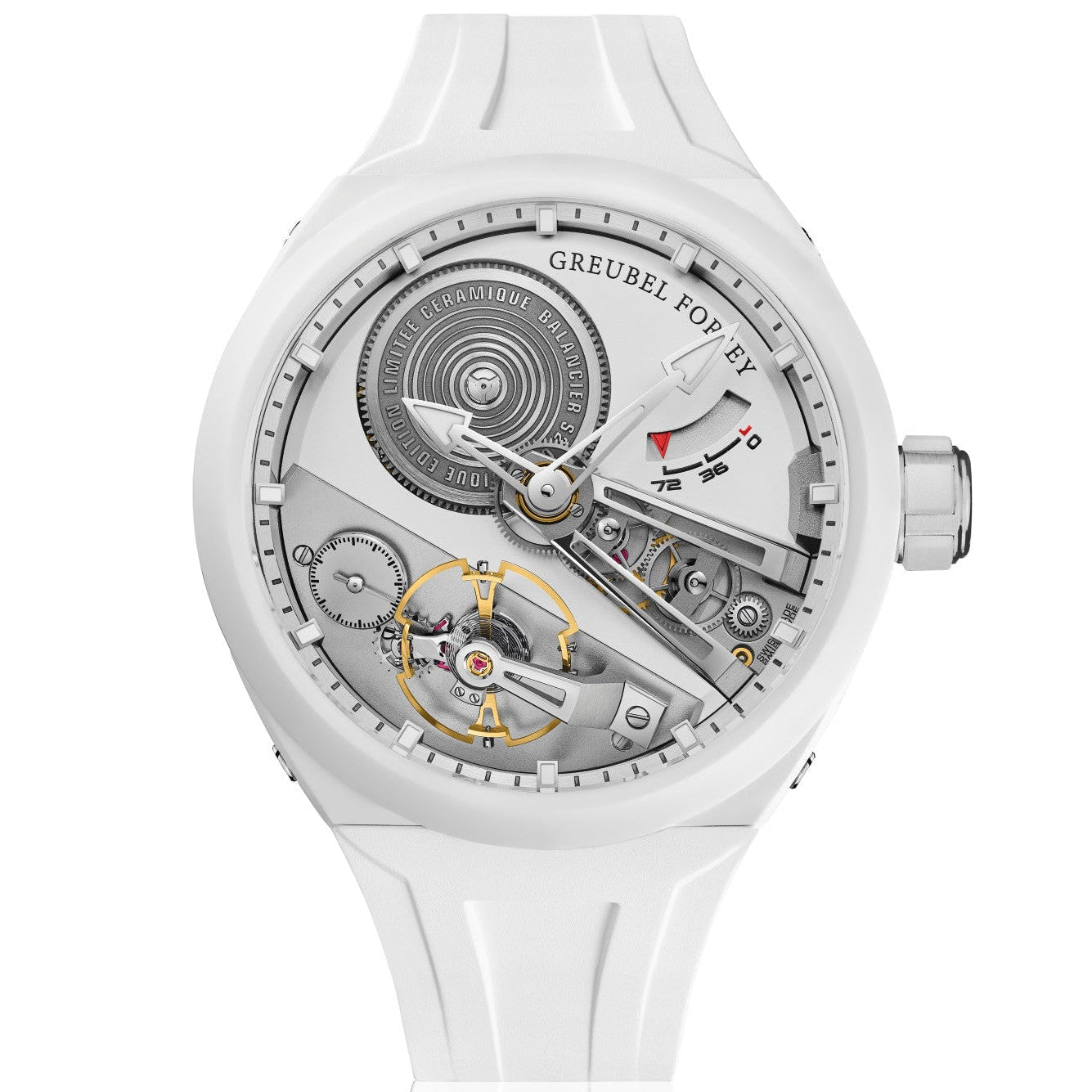
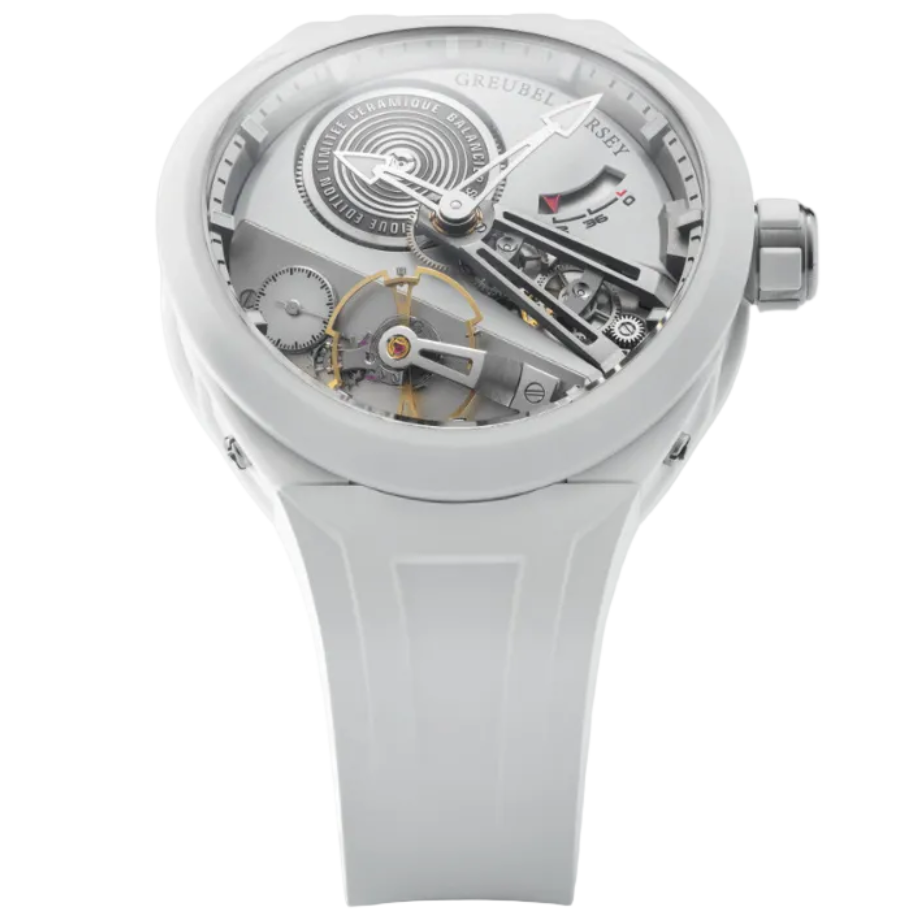
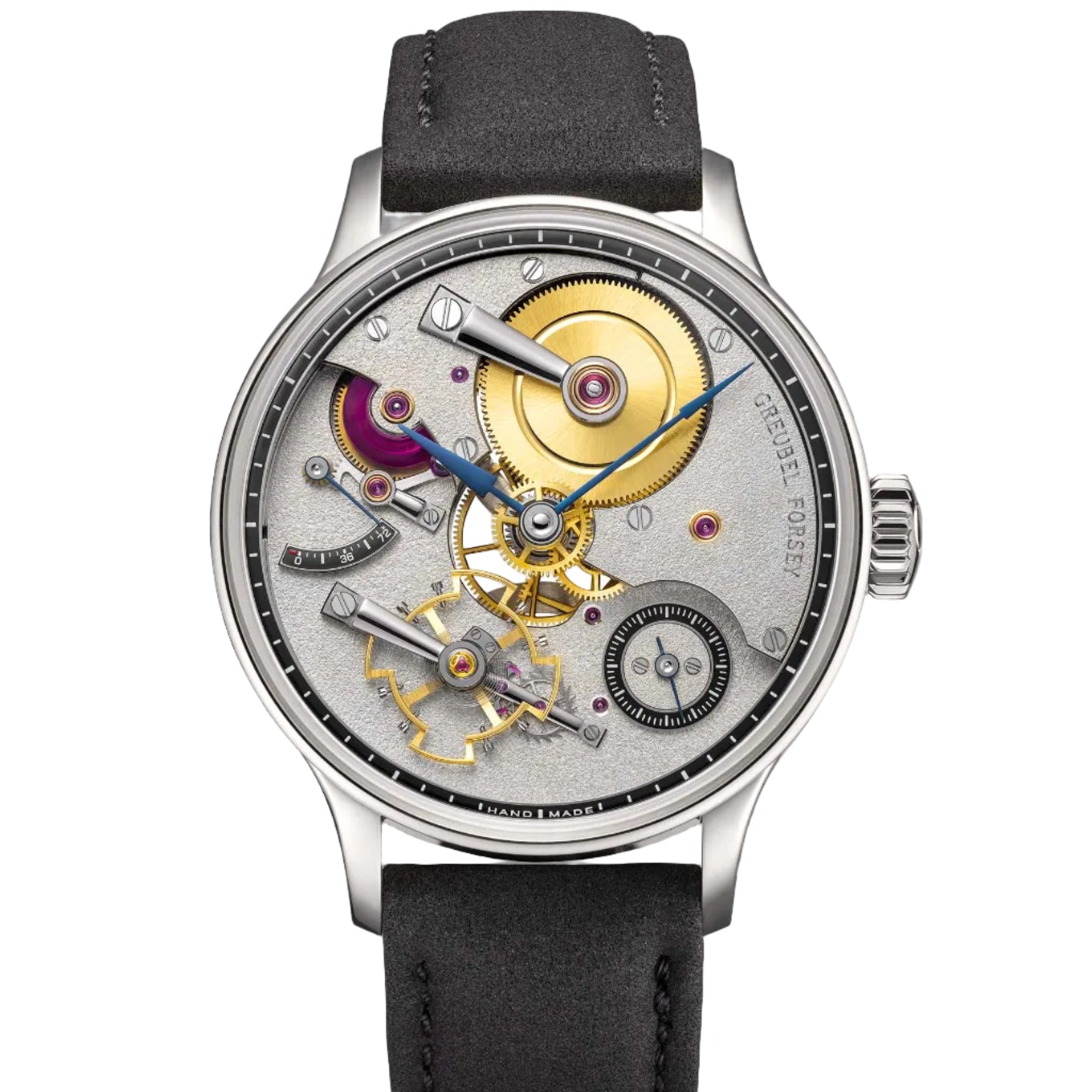
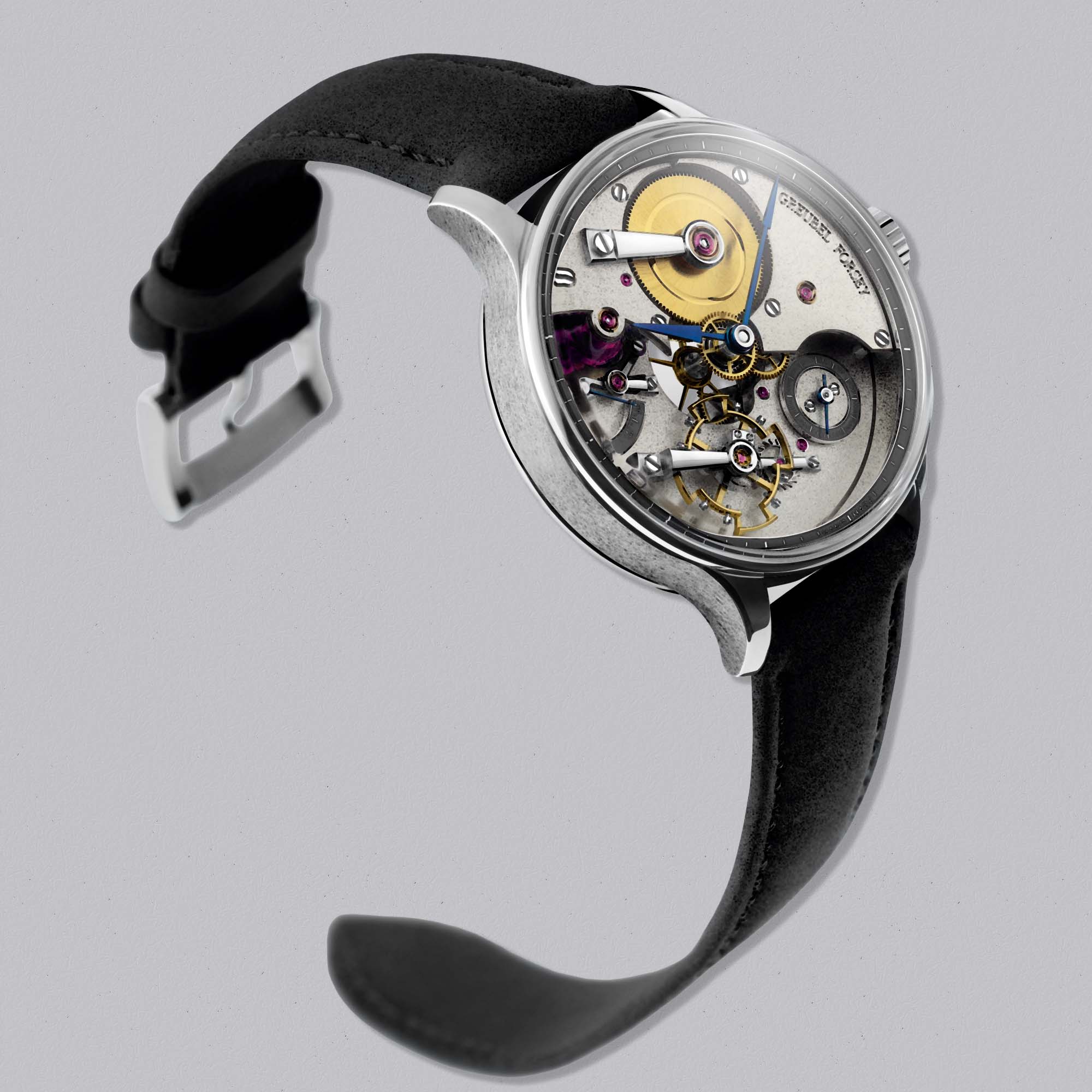
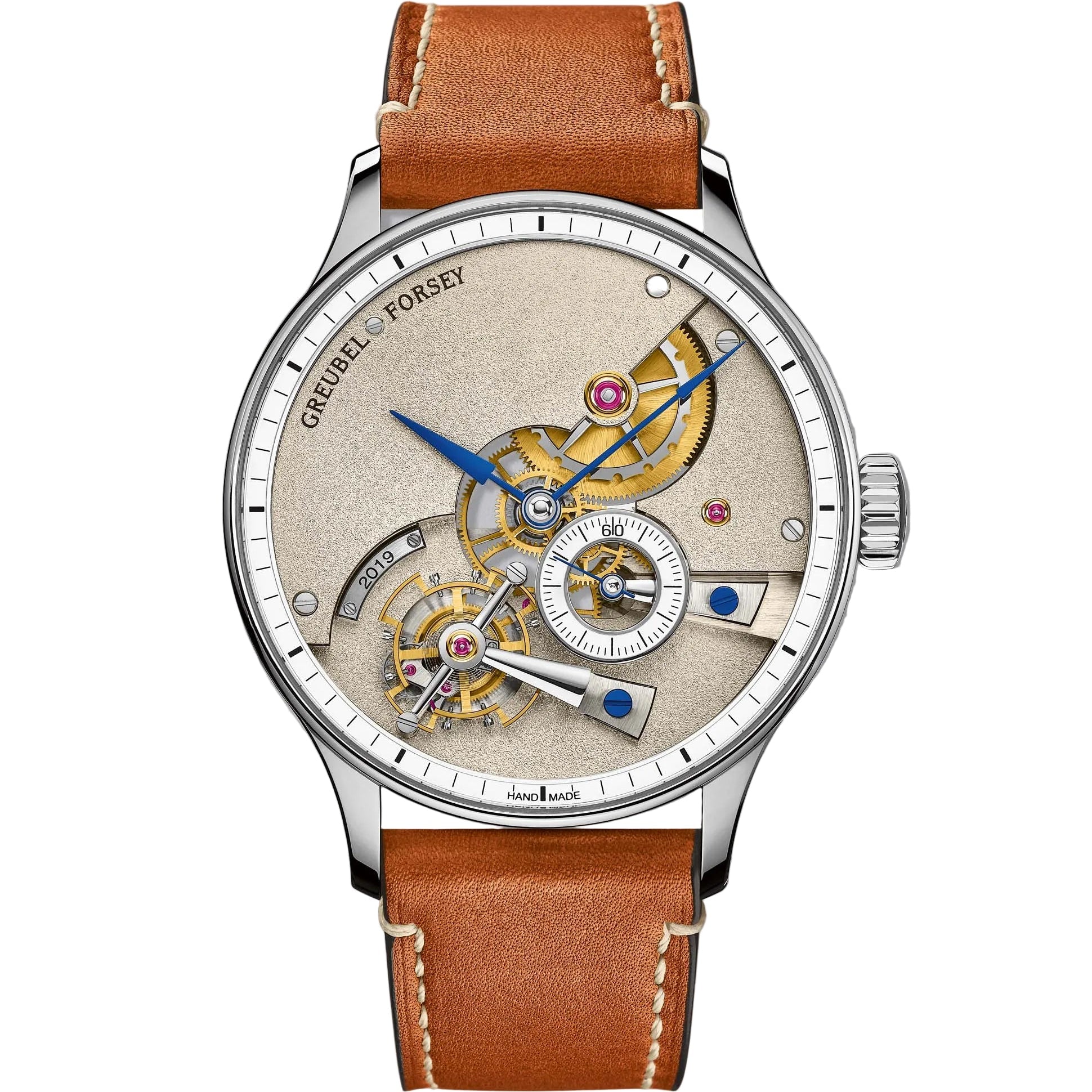
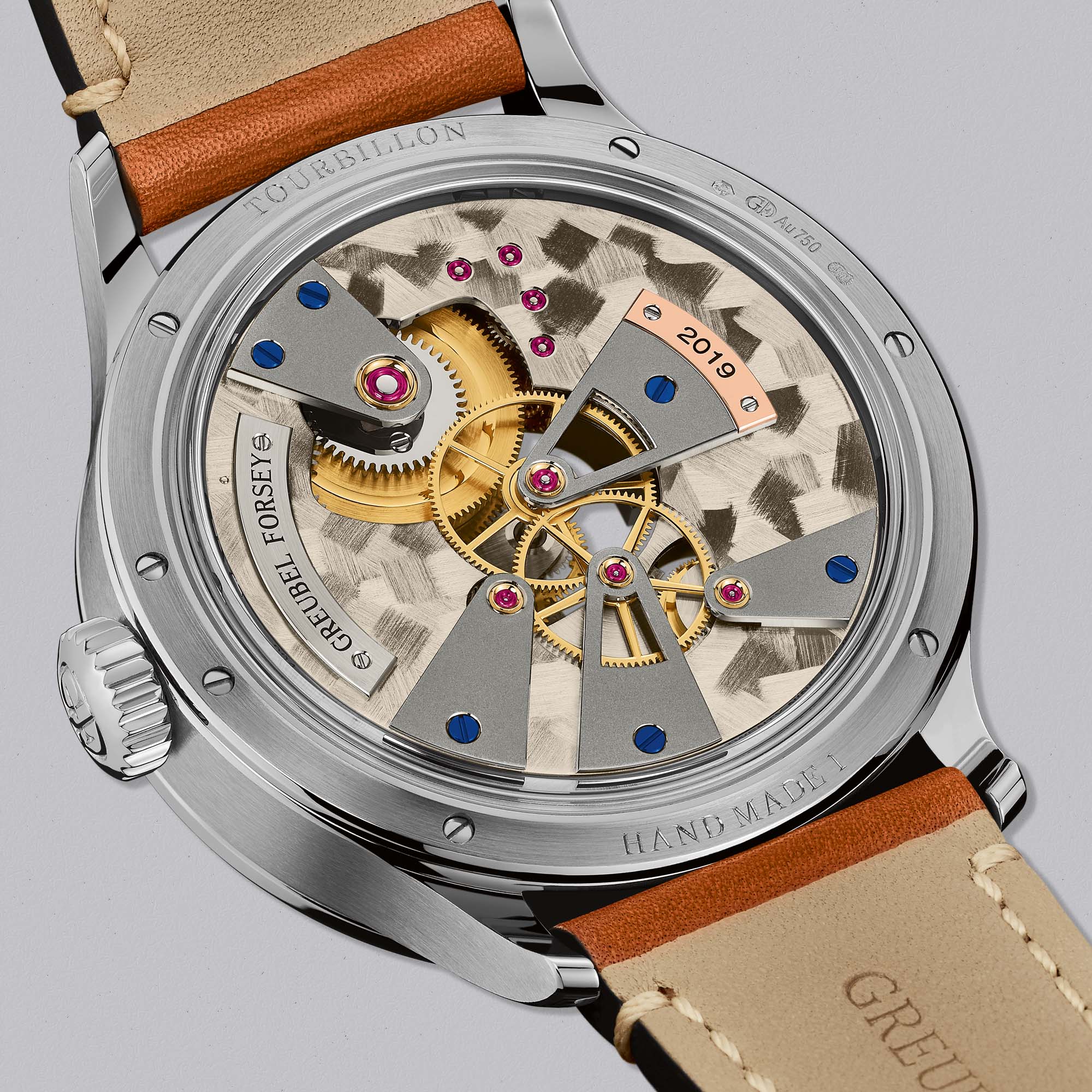



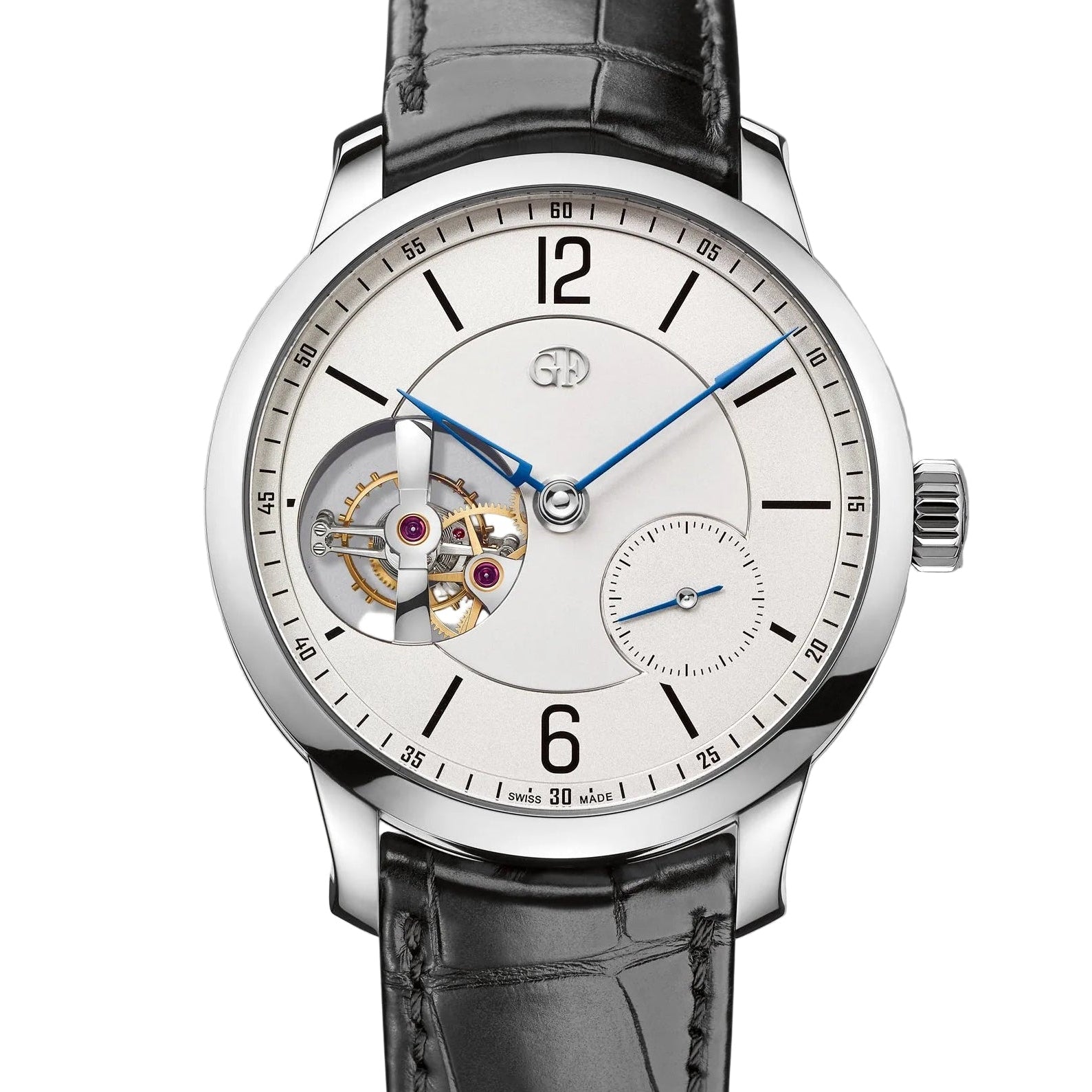
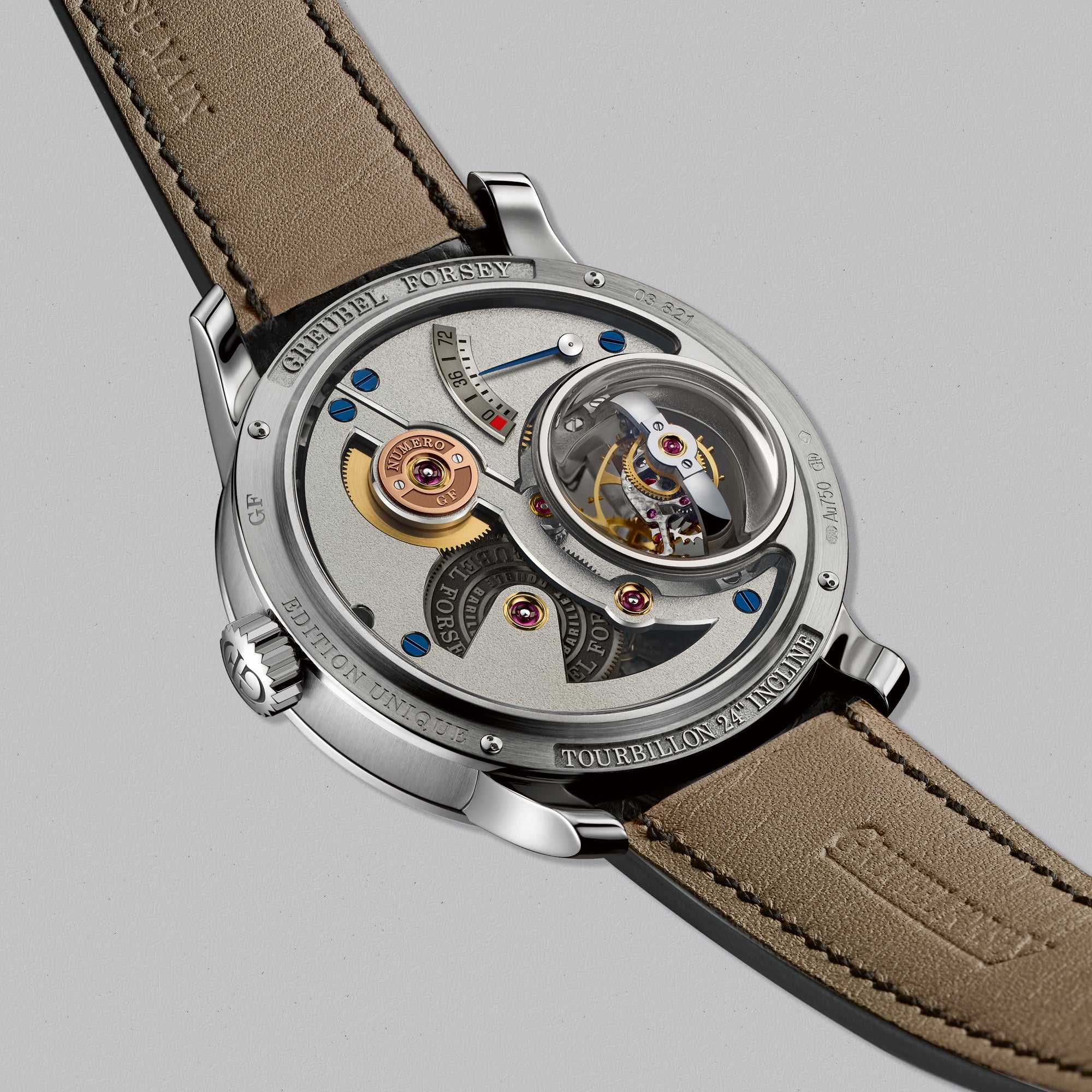
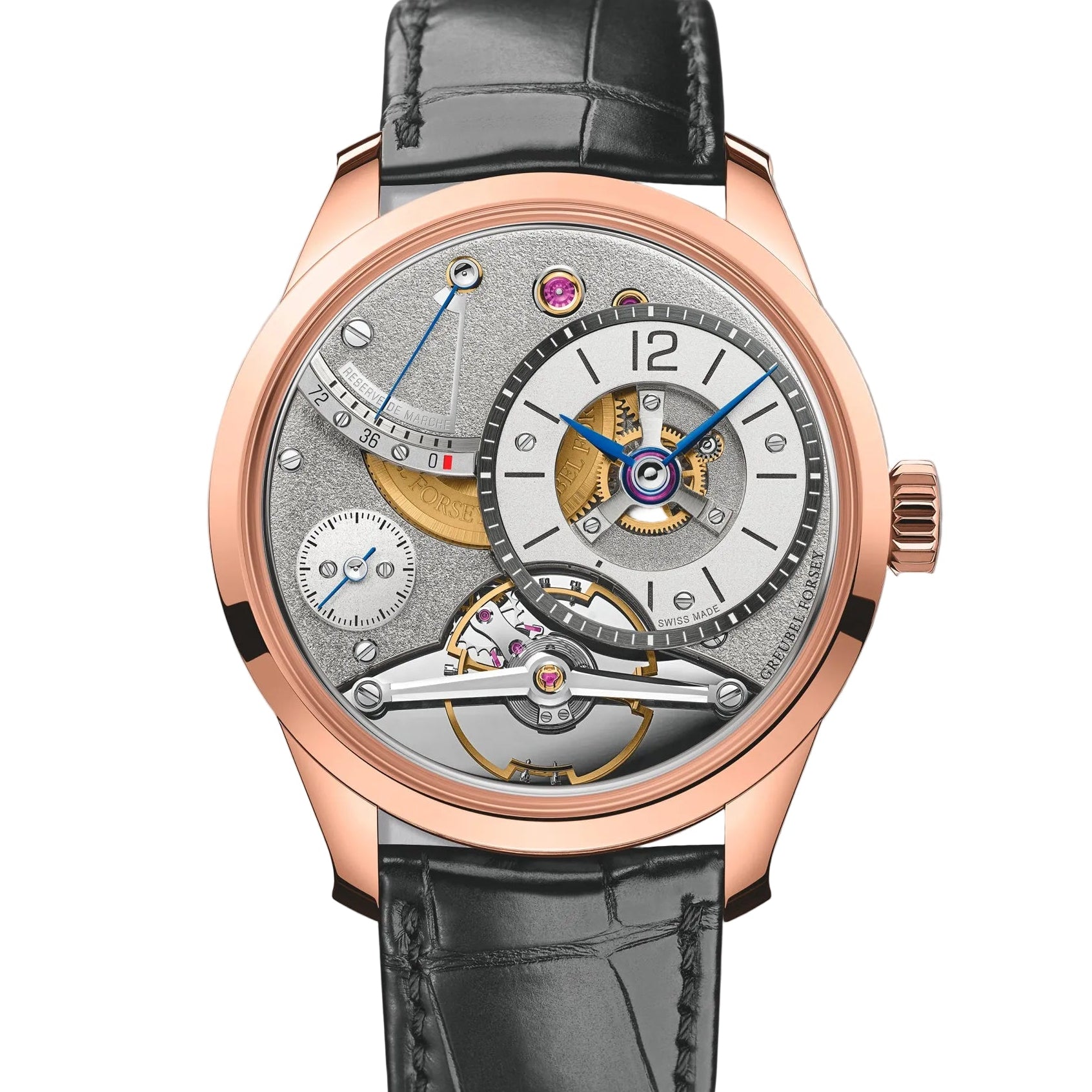
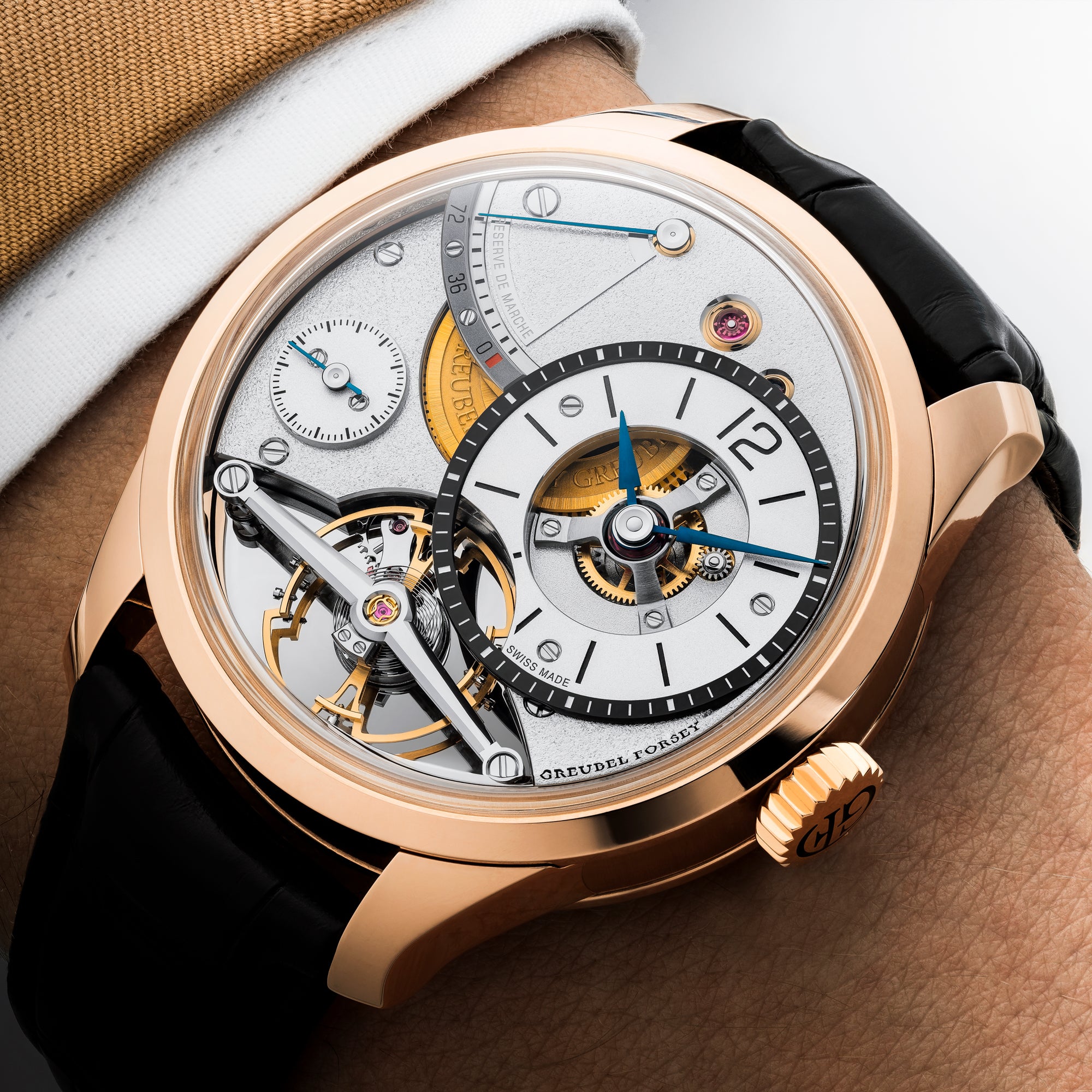
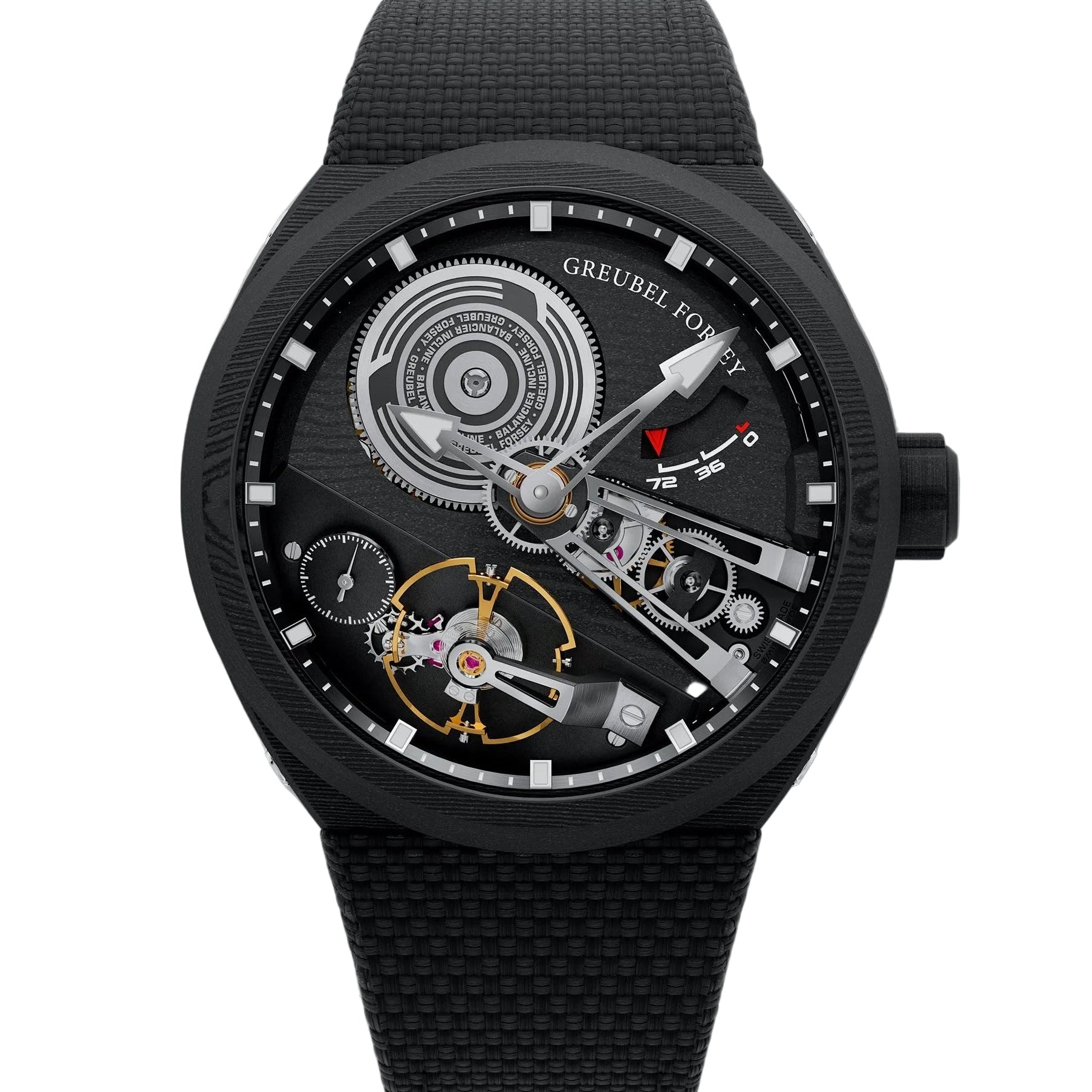
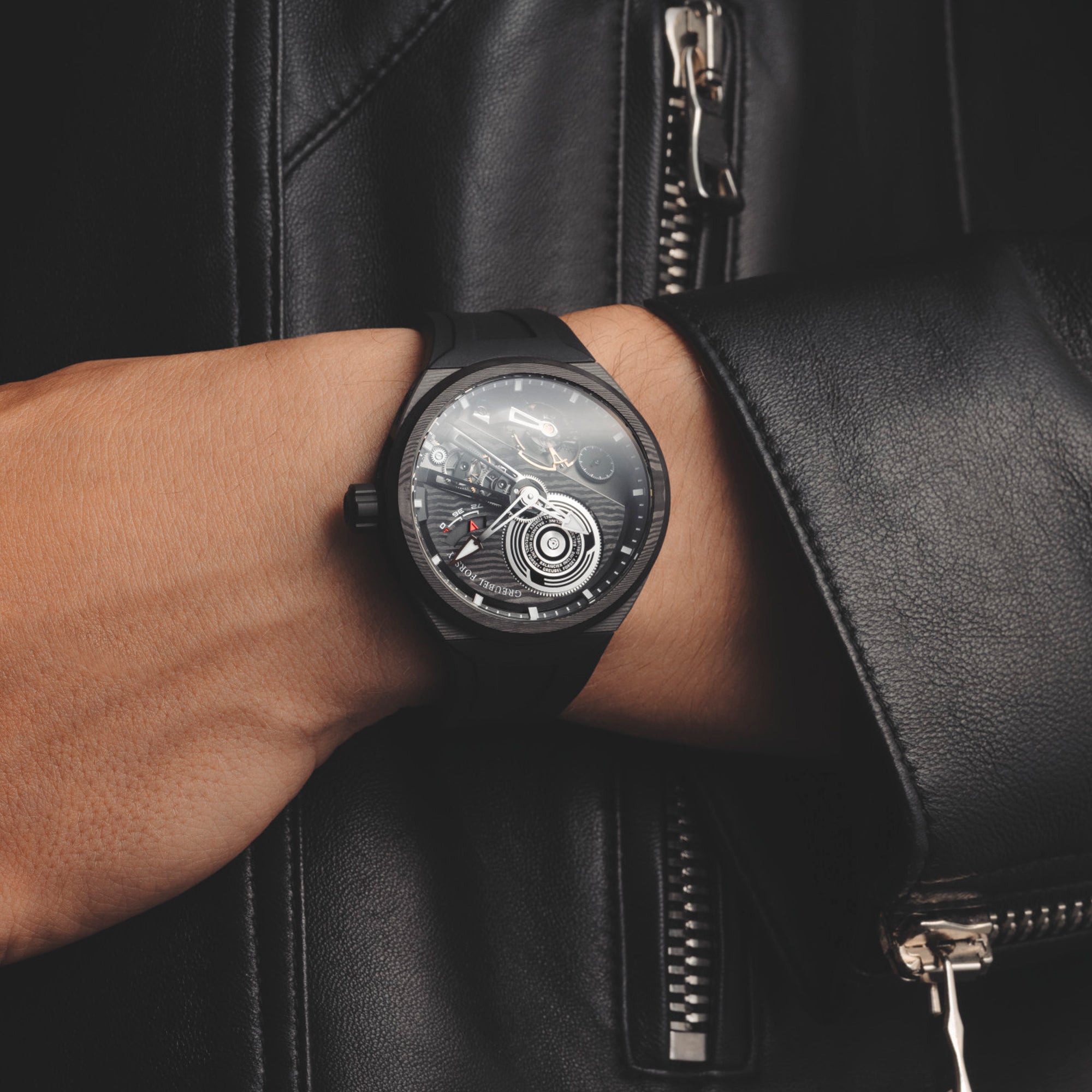
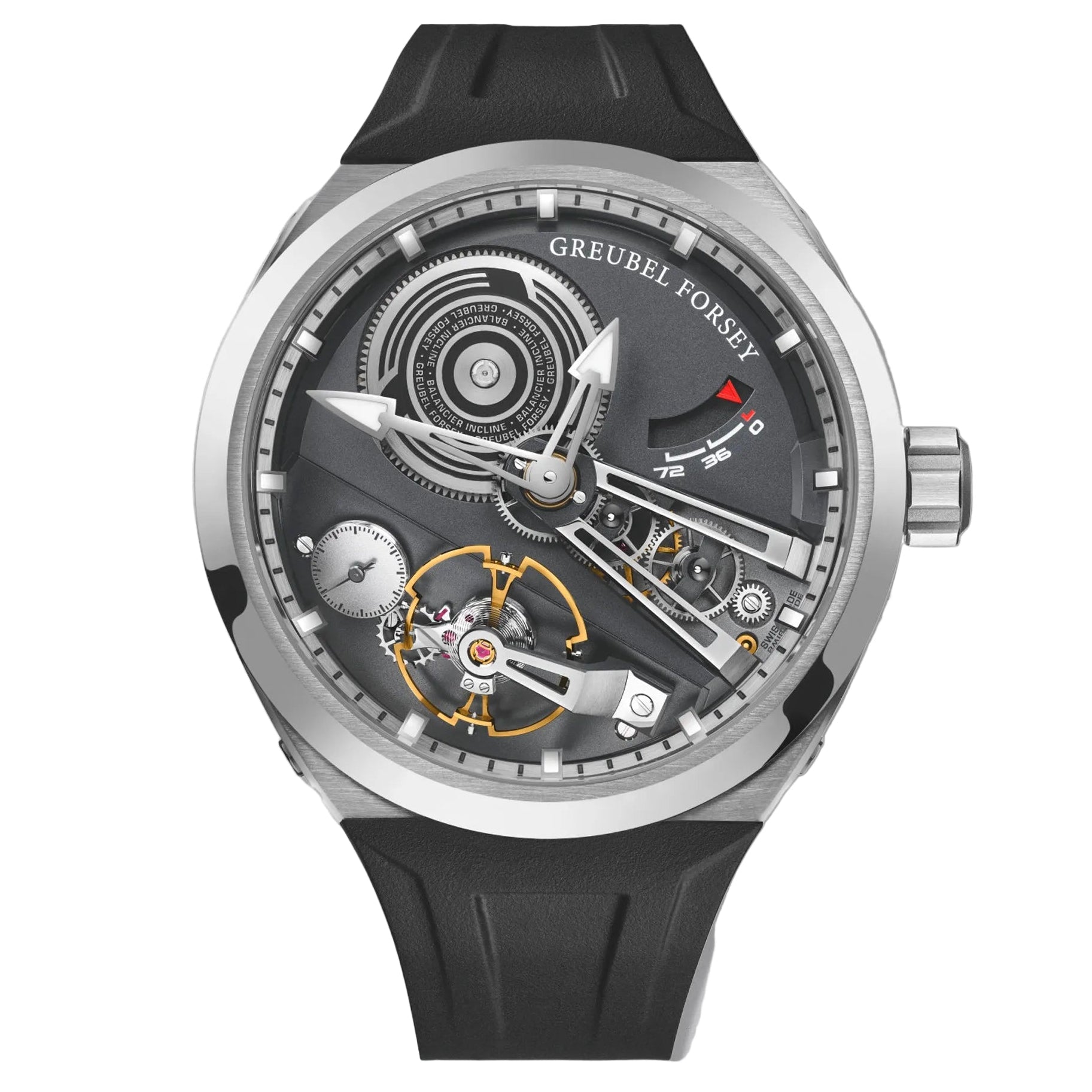
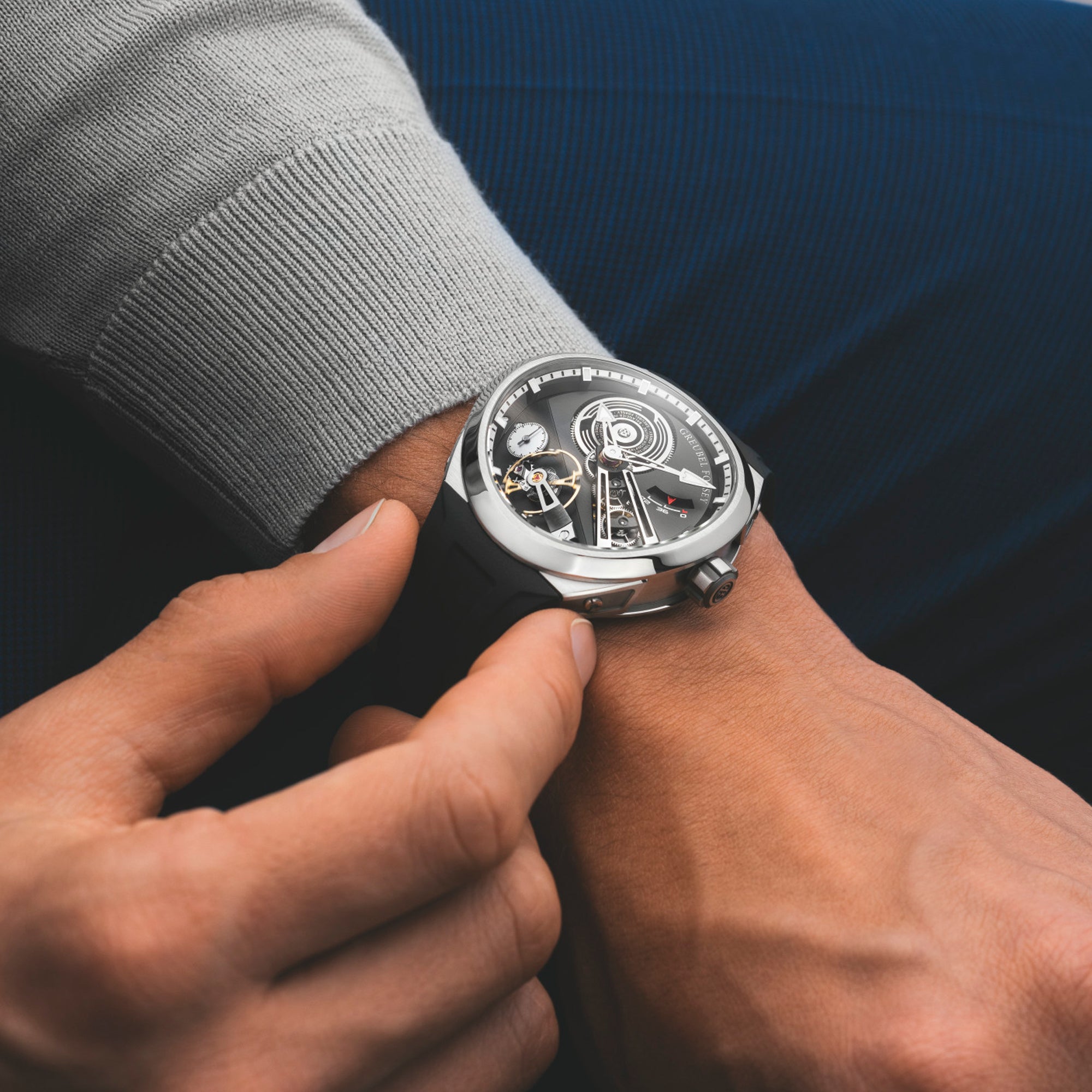
The art of invention
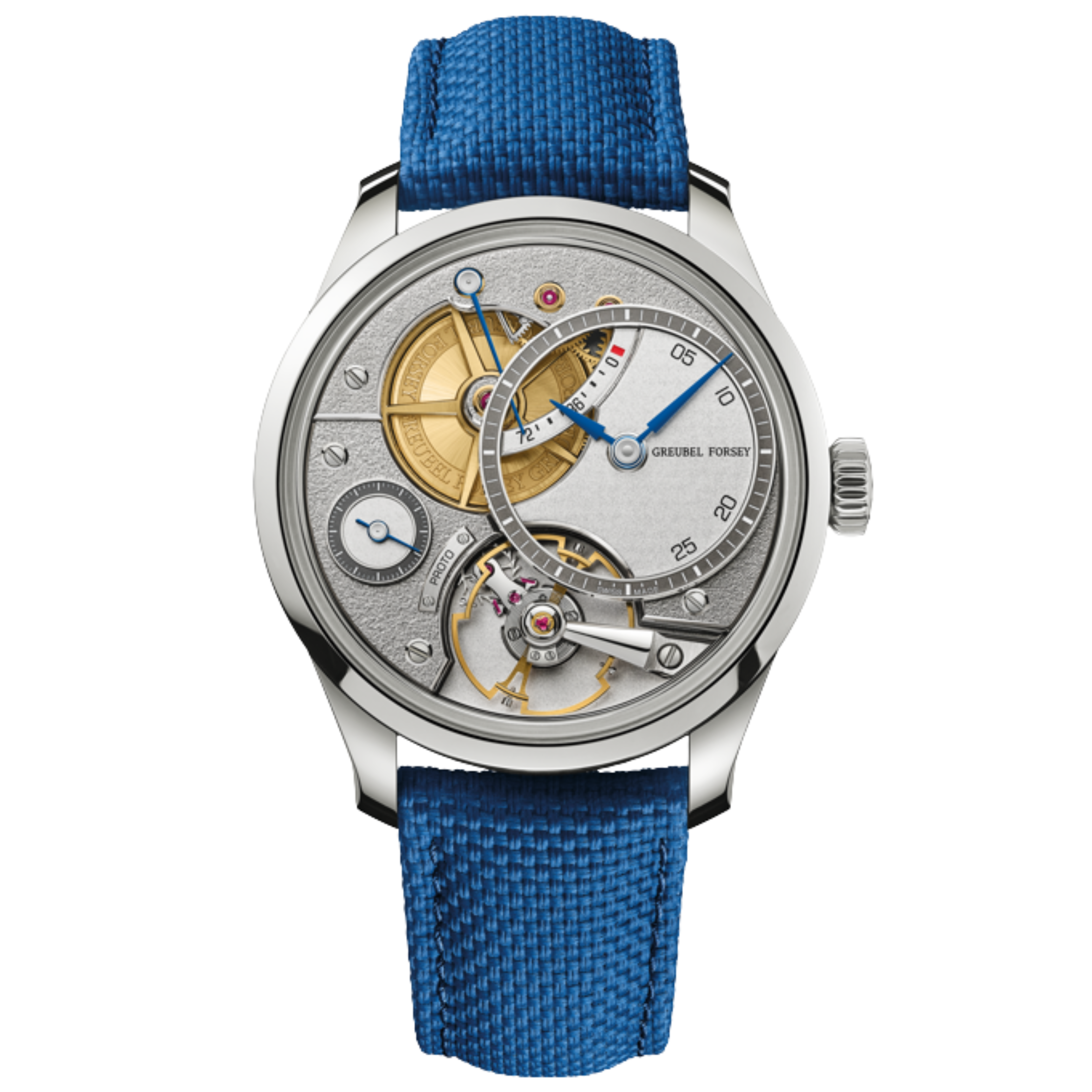
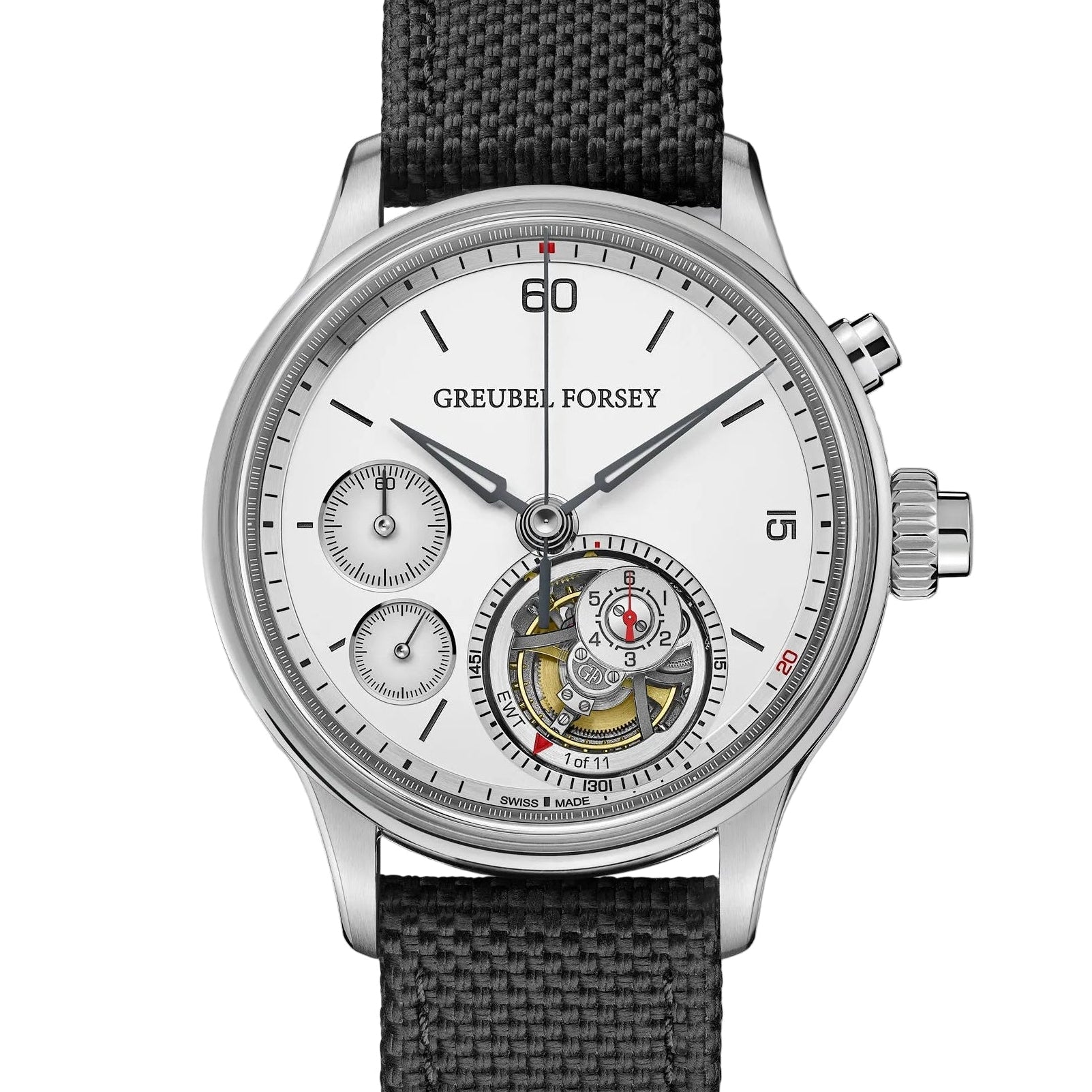
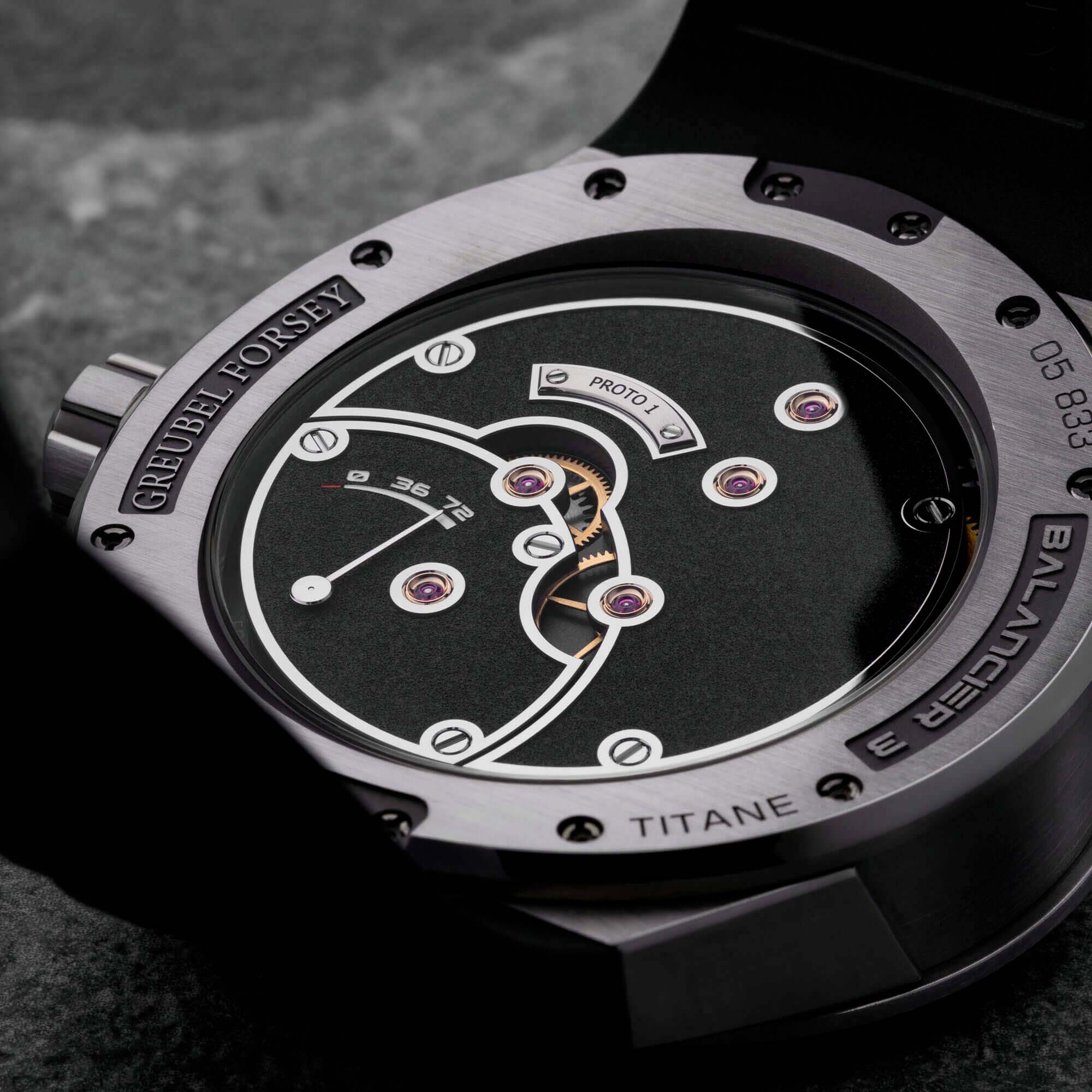
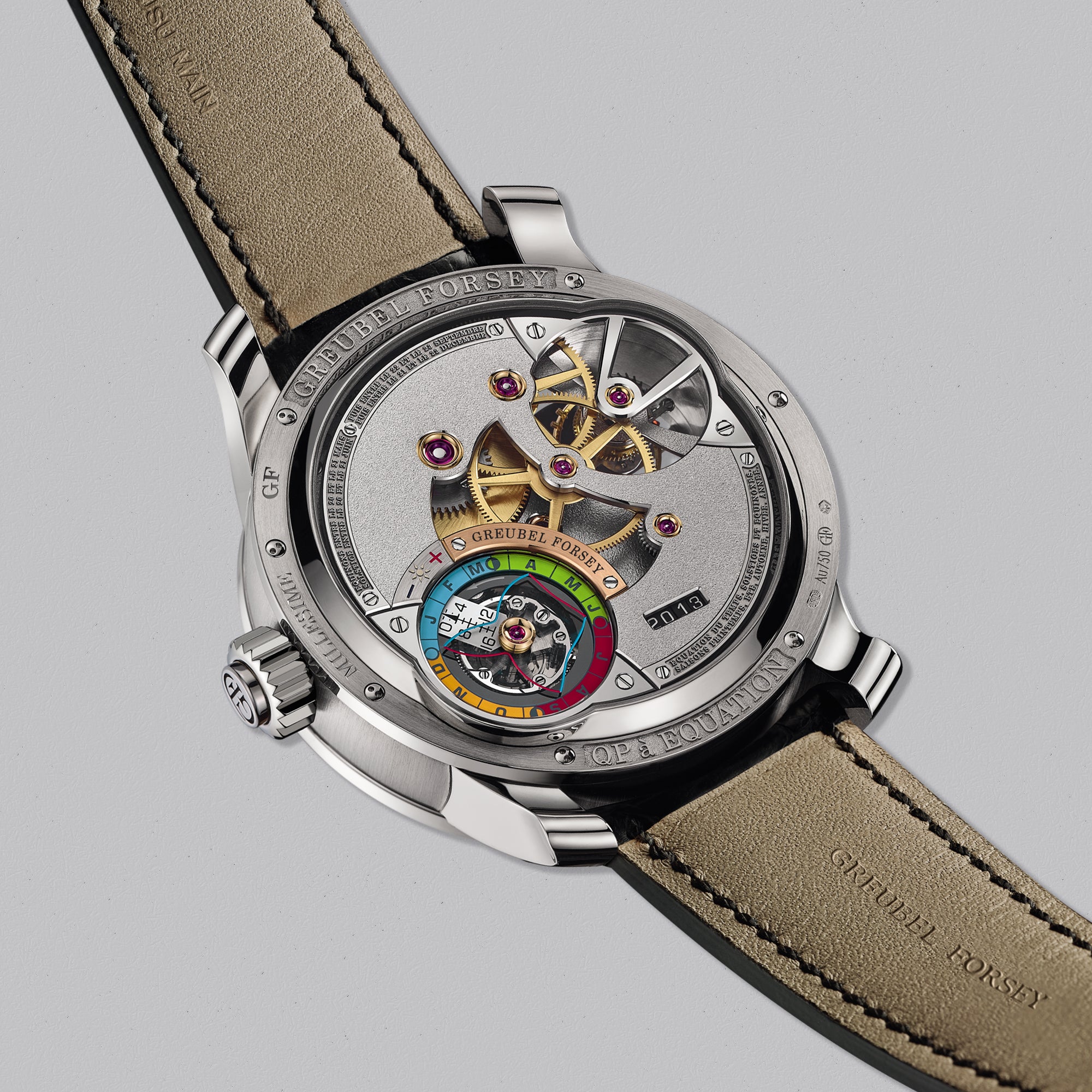
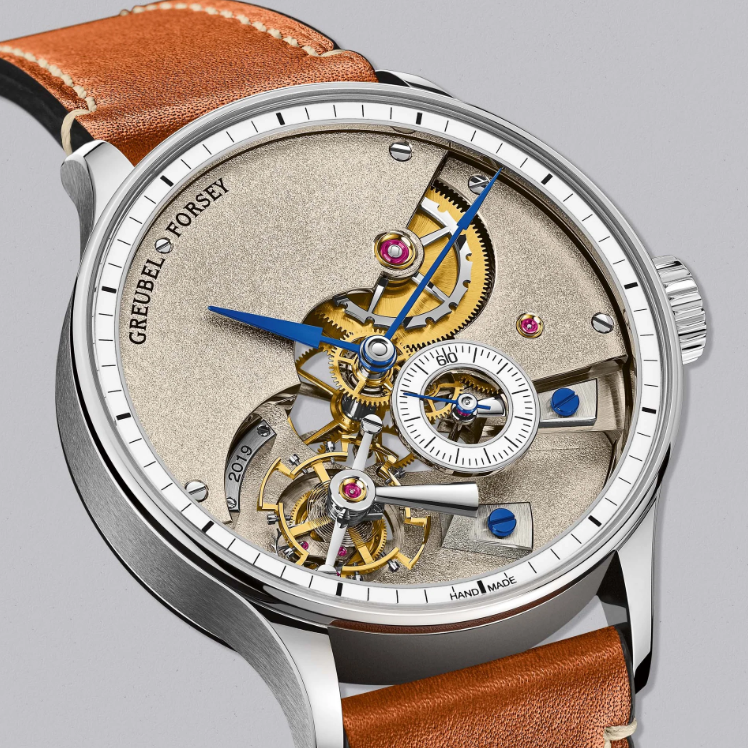
At the core of Greubel Forsey lies a relentless commitment to invention. Since its inception, the Atelier has secured more than 70 patents and introduced ten Fundamental Inventions, each designed to deliver meaningful advancement in mechanical watchmaking. Innovation is approached with purpose, refining chronometric precision, enhancing mechanical performance, and expanding the expressive potential of the timepiece.
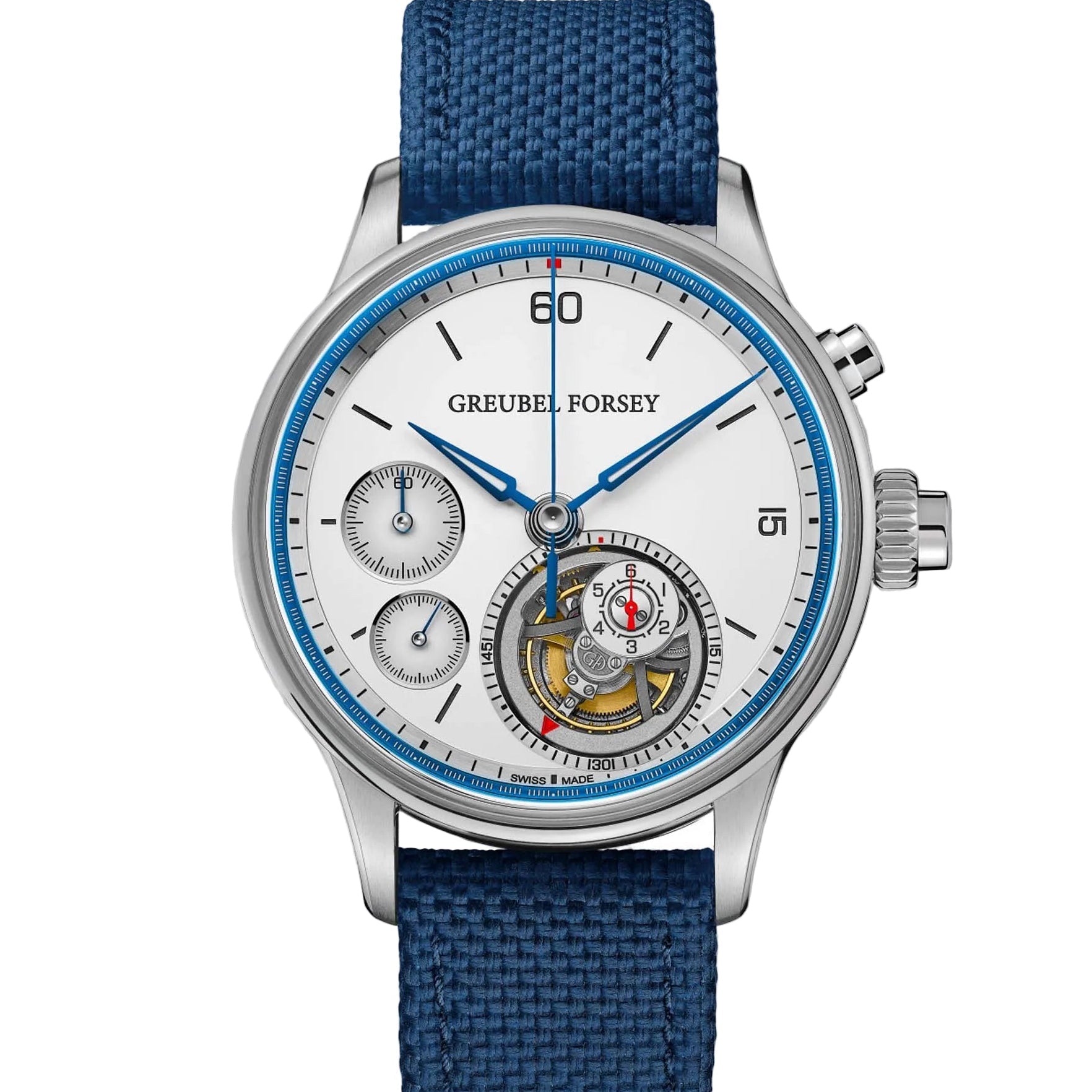
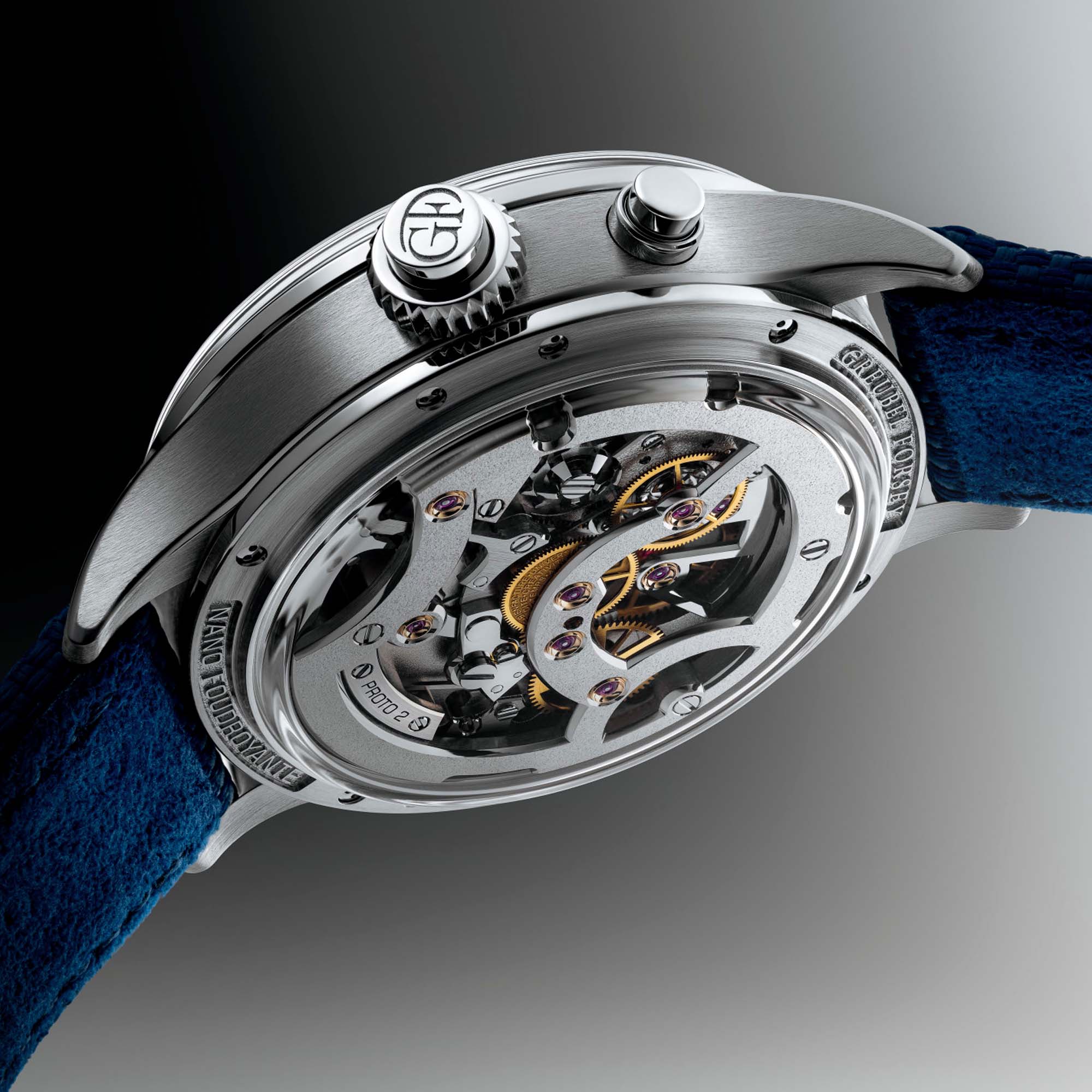
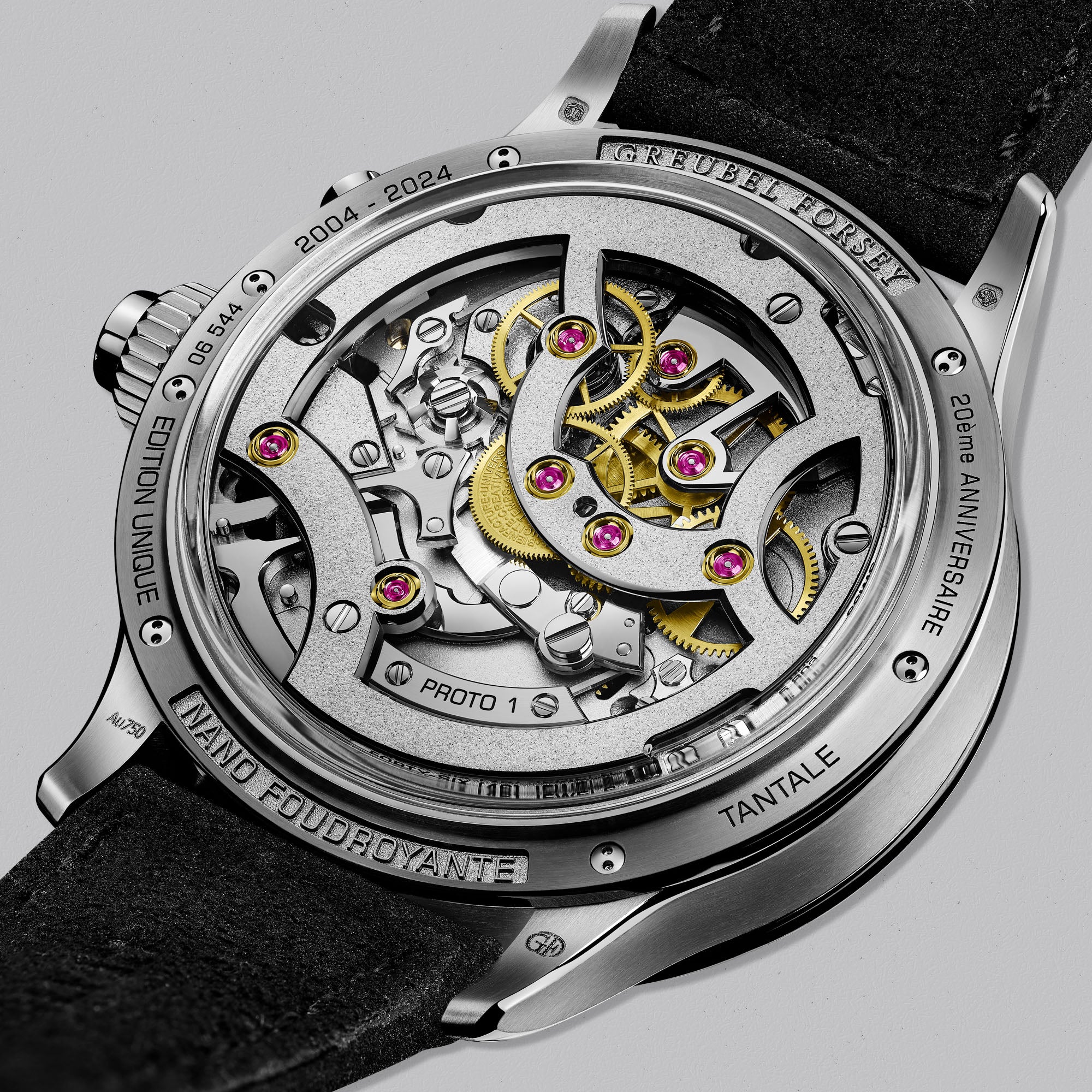
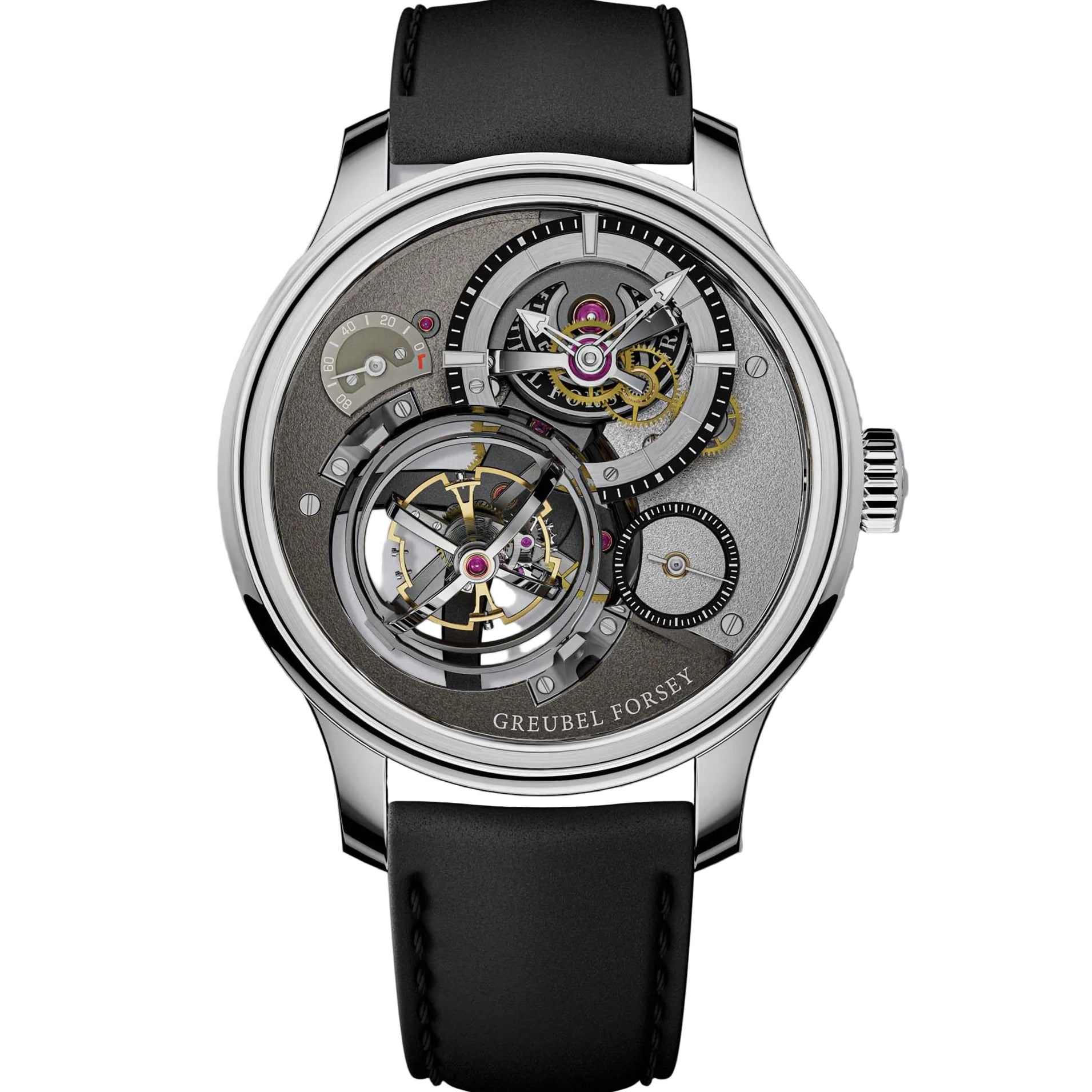
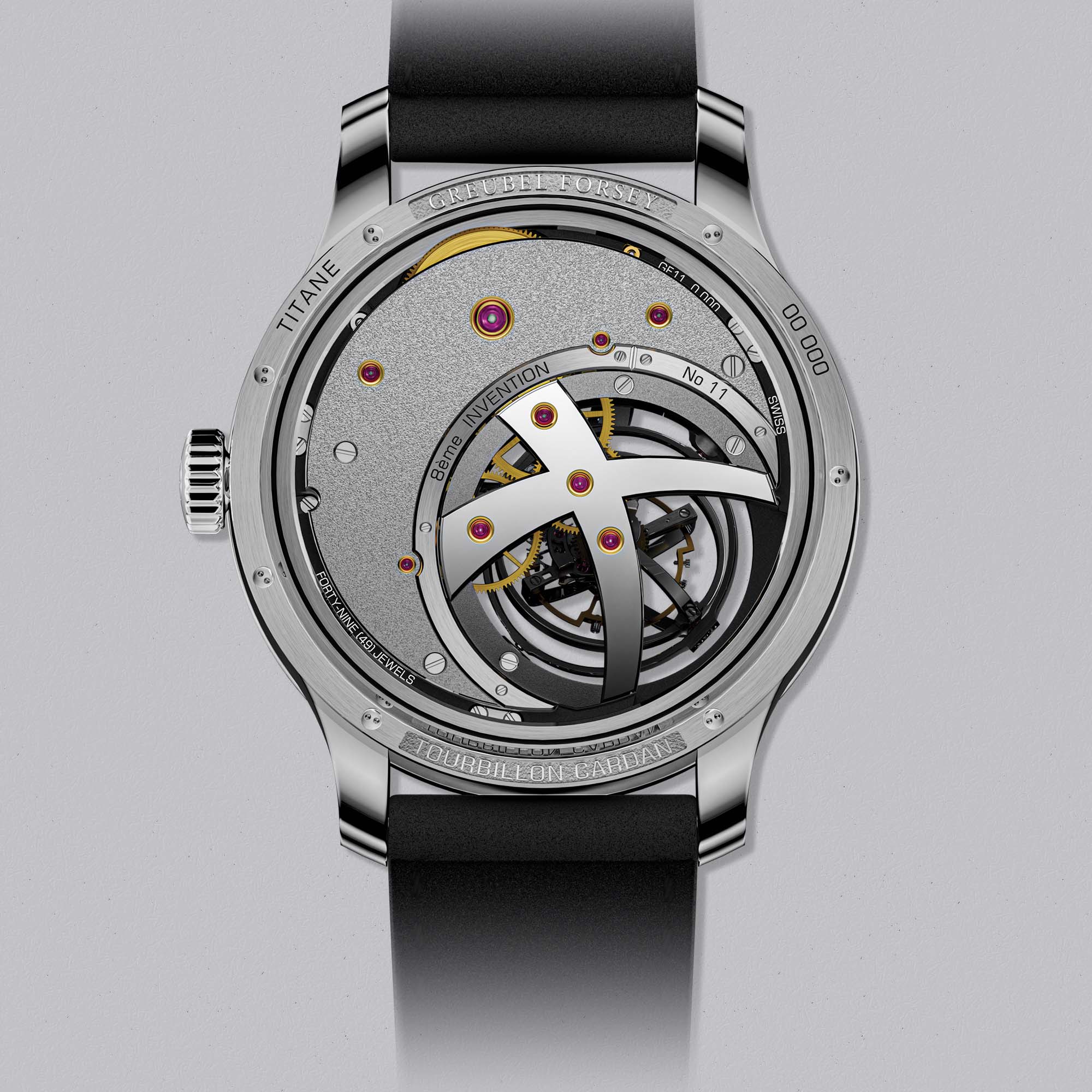
This philosophy is embodied in creations such as the Tourbillon Cardan, distinguished by its multi-axis, three-cage construction and fluid, gimbal-inspired motion, as well as the Nano Foudroyante, which incorporates a patented nano-mechanism uniting flying seconds, a tourbillon, and manual-wind flyback functionality within a remarkably compact case. Each development is a stepping stone, forming the basis for continued evolution across the collection.
Where movement becomes architecture
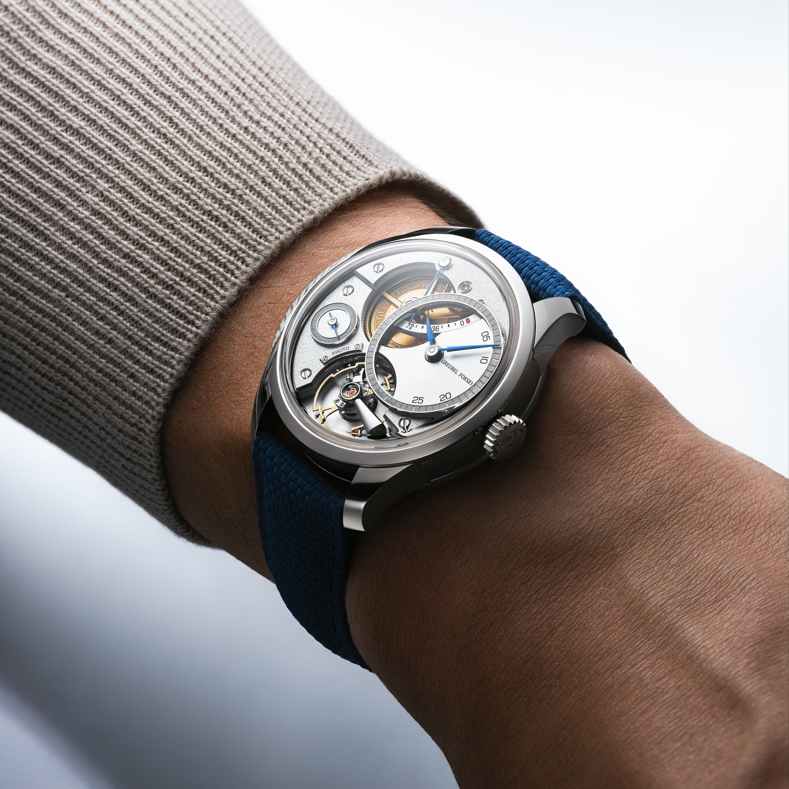
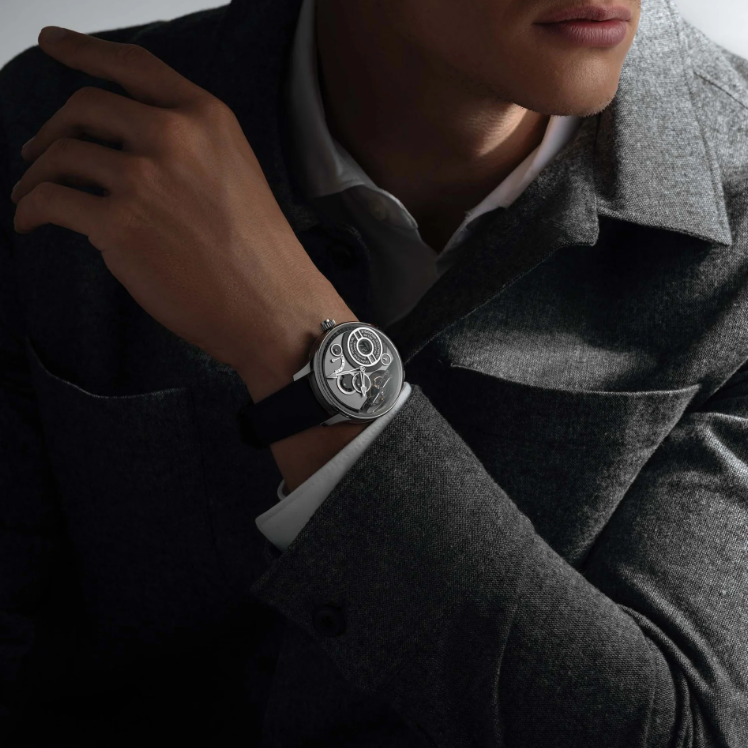
At Greubel Forsey, every design begins with the movement, shaping a three-dimensional architecture where mechanics and aesthetics are inseparable.
Greubel Forsey
Architecture as Design
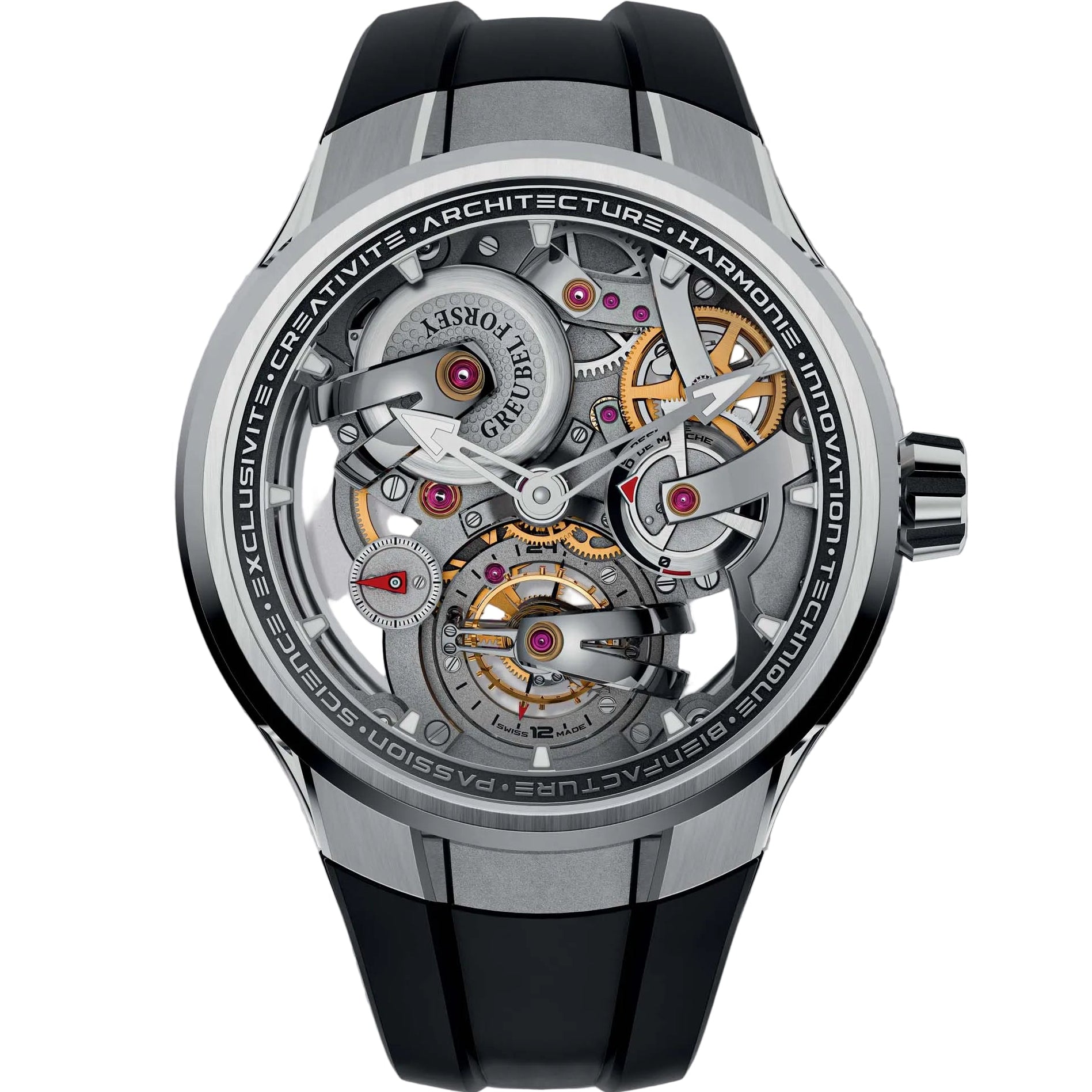
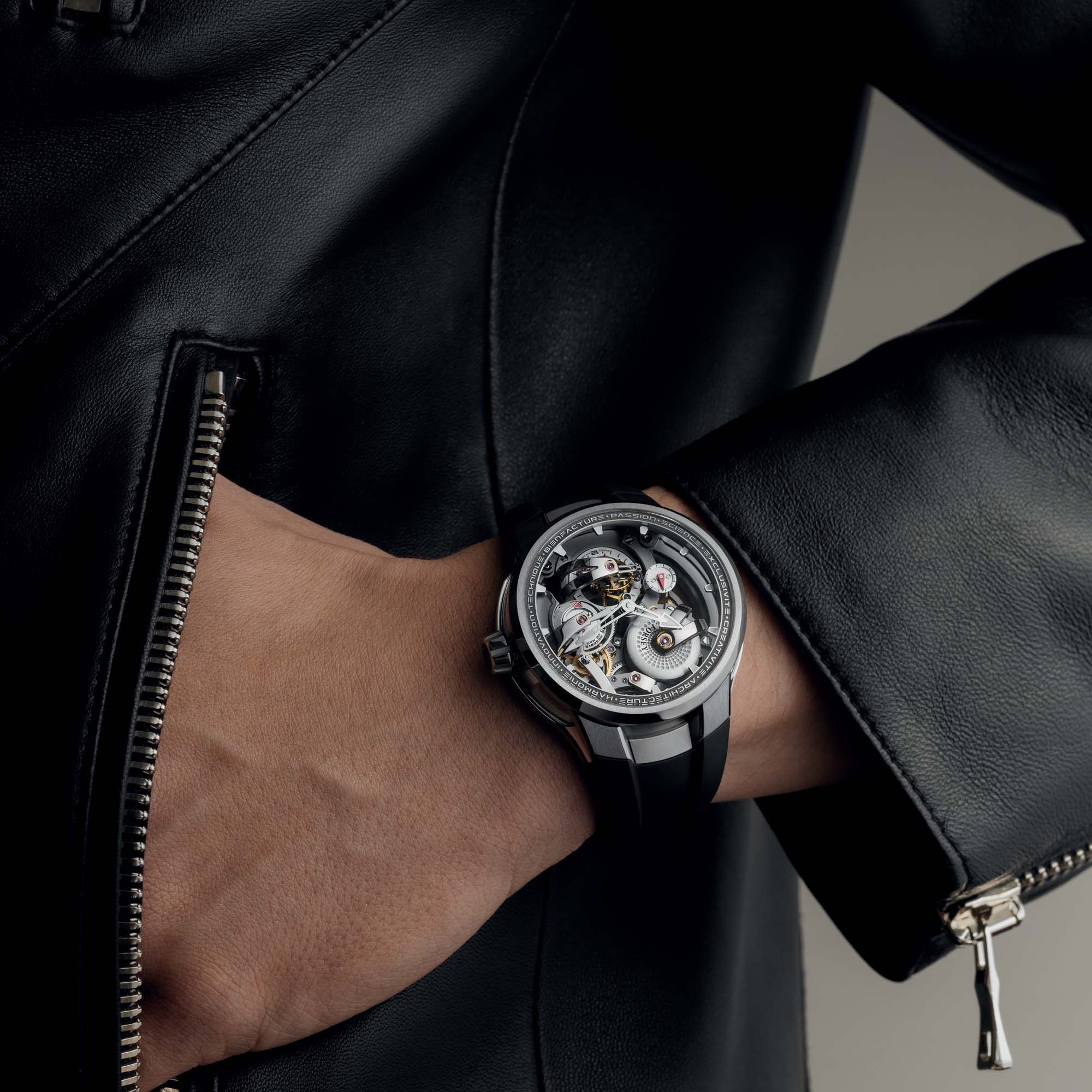
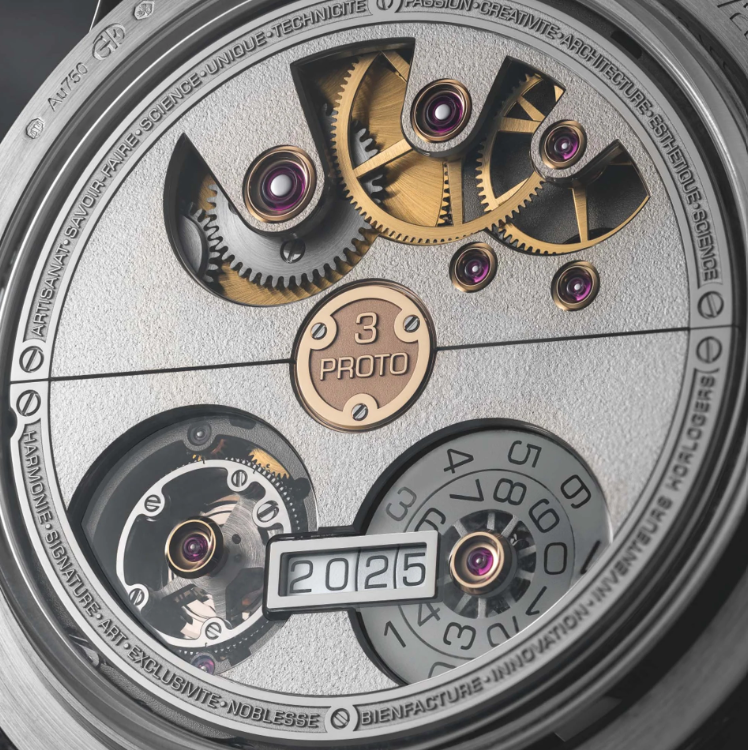
At Greubel Forsey, the movement defines the aesthetic. Structure and function are developed in unison, resulting in a three-dimensional architecture where mechanical innovation directly informs visual identity.
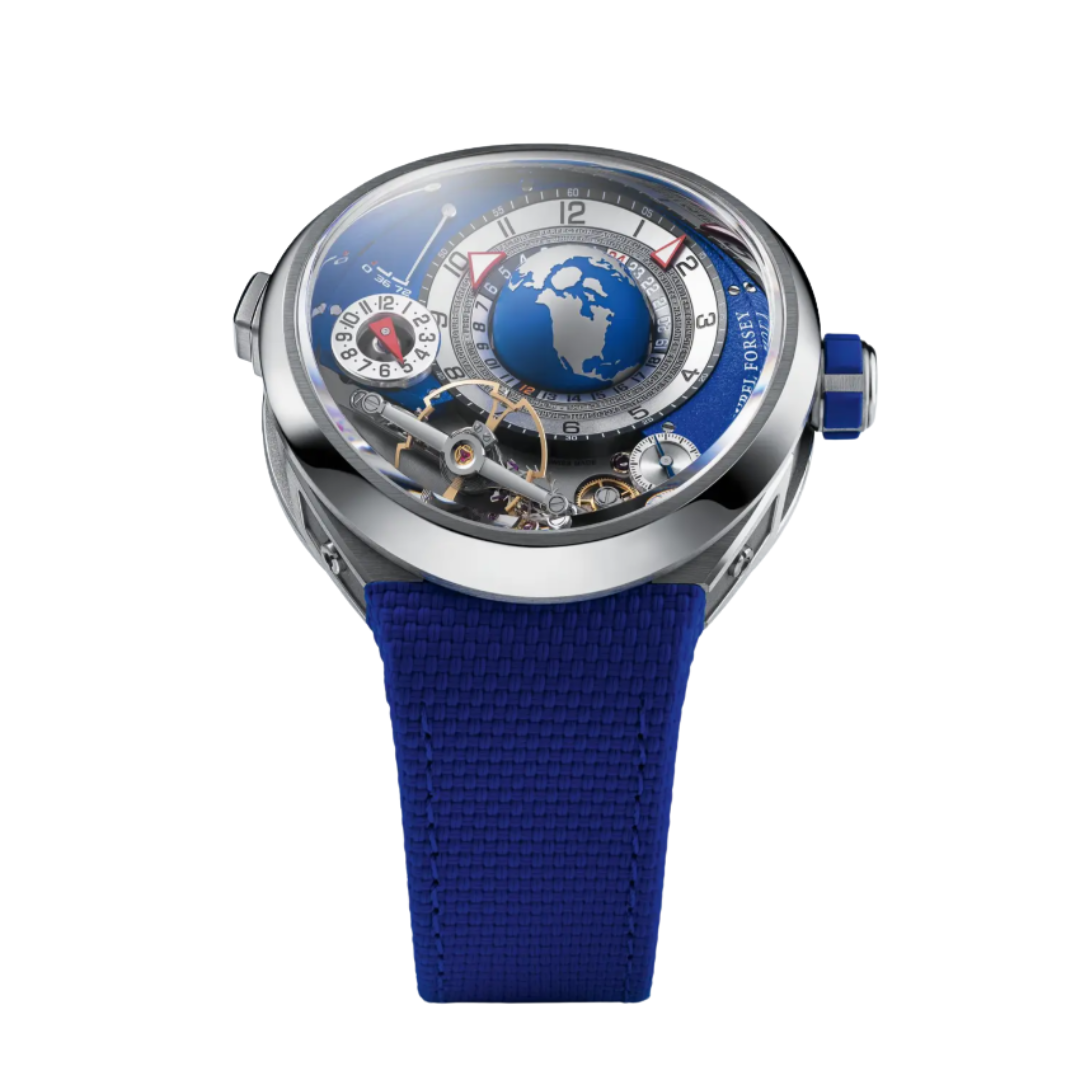
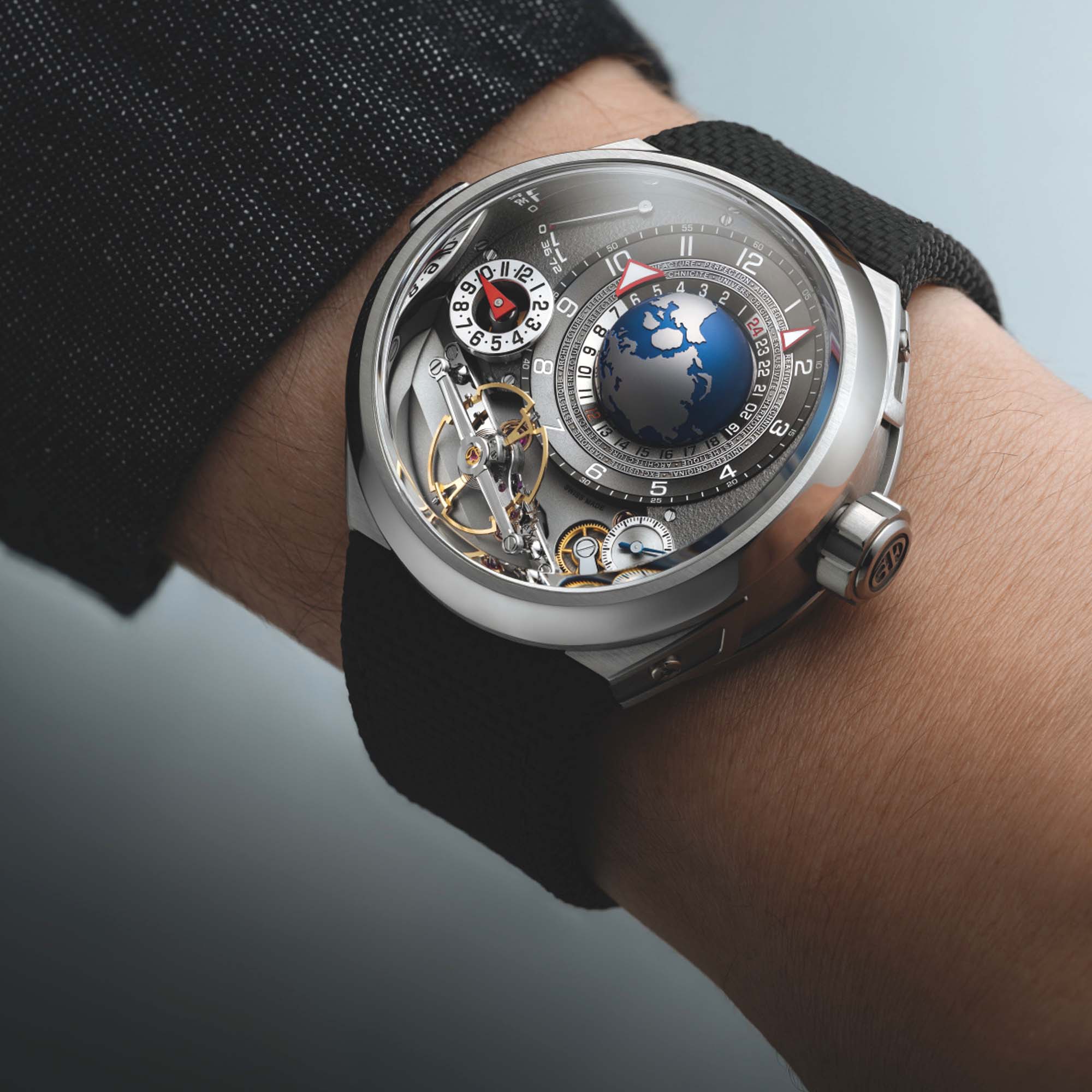
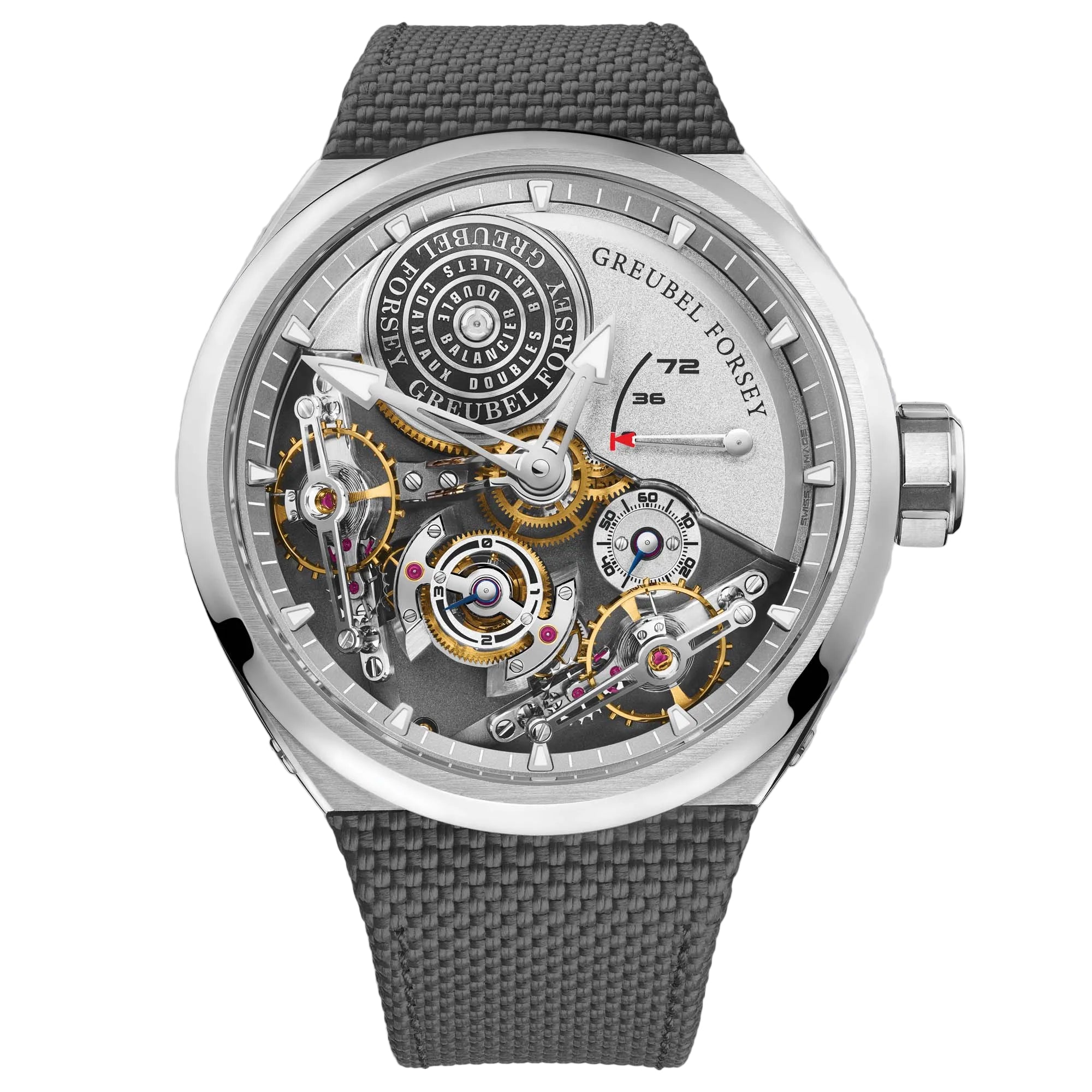
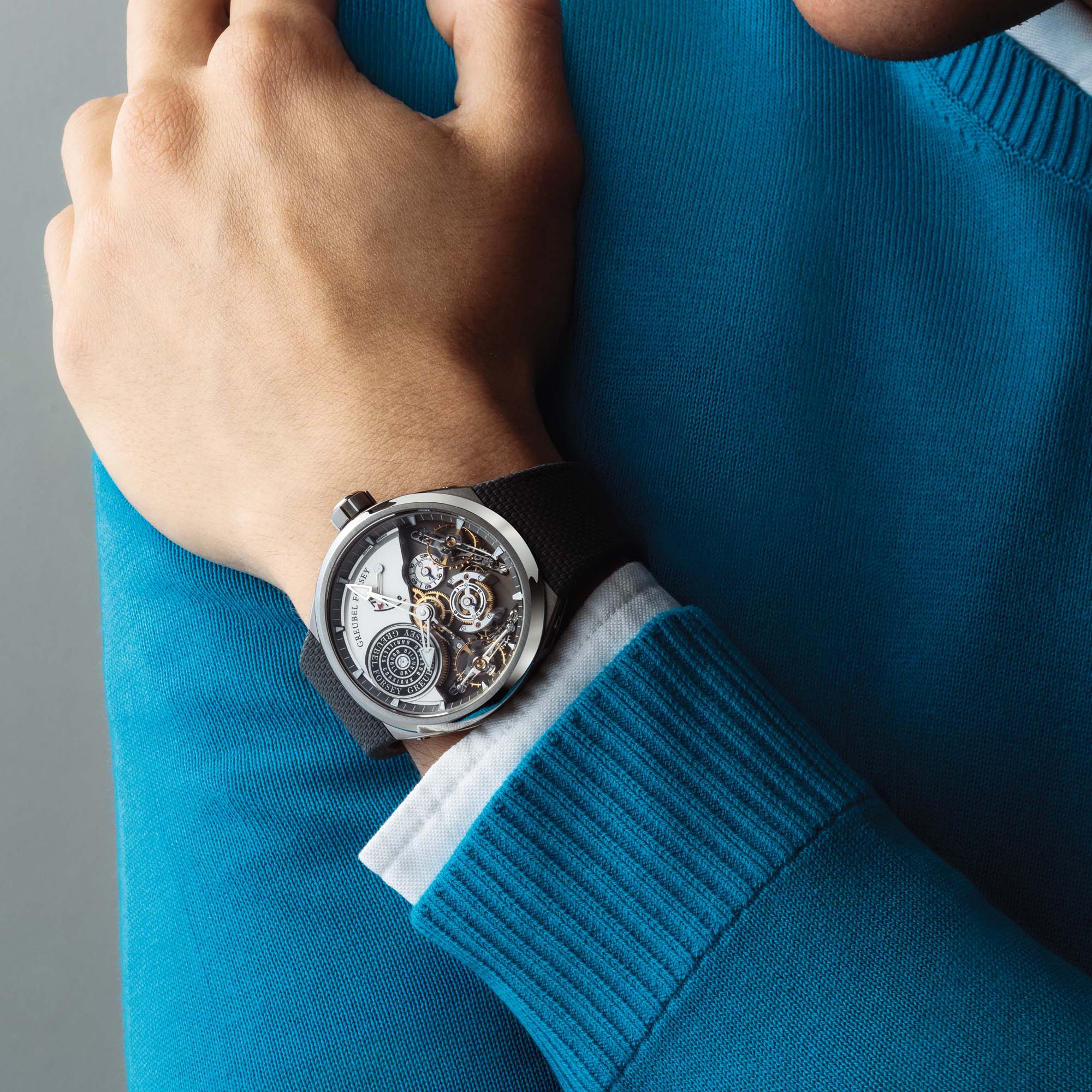
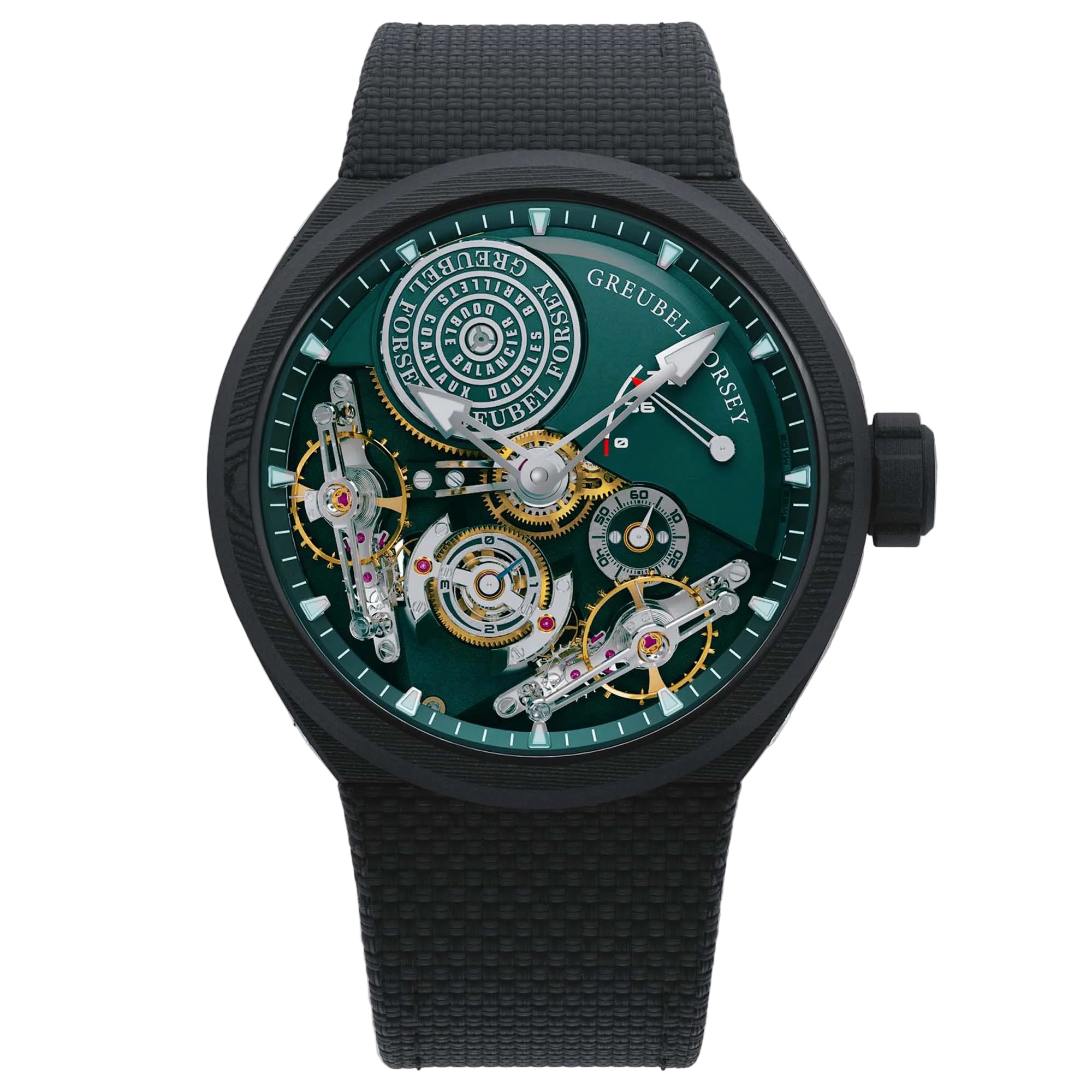
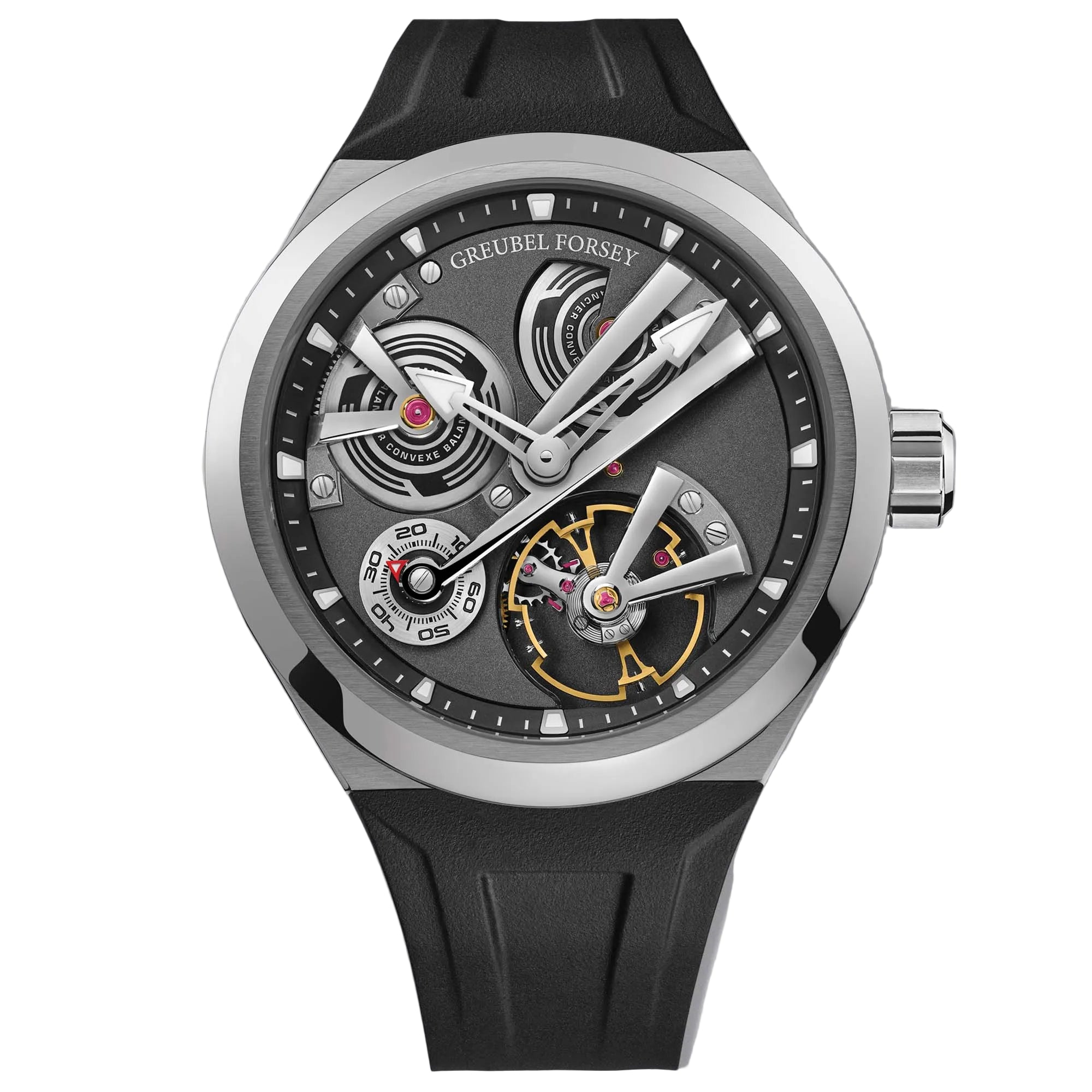
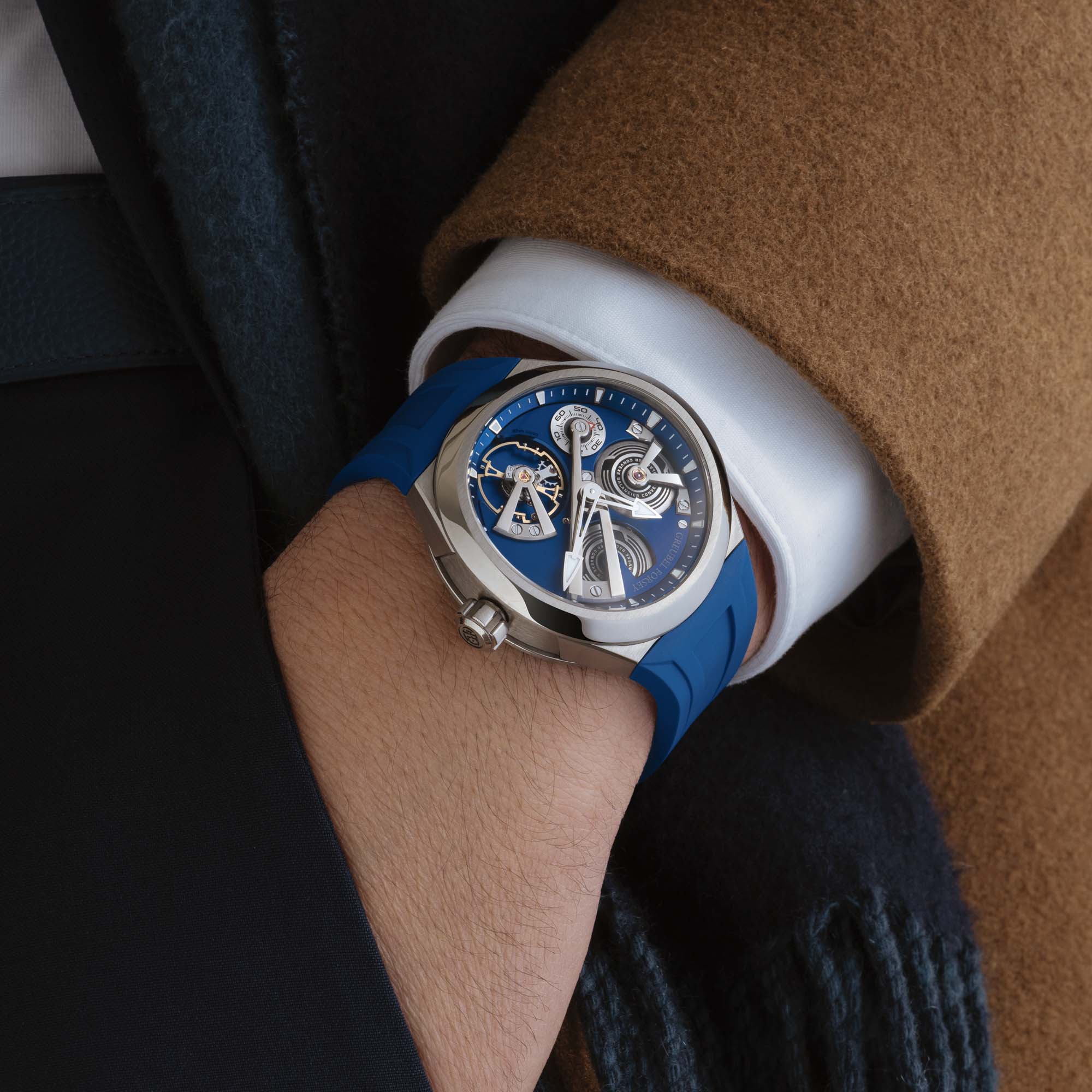
The Convexe case design reflects this philosophy, aligning the curvature of the case with the underlying movement, while the GMT exemplifies how a multi-layered construction can incorporate complex indications without compromising clarity, depth, or equilibrium. Each calibre is singular in its execution, yet all contribute to a cohesive and recognisable architectural language.
Need help?
Frequently Asked Questions
Greubel Forsey is regarded as one of the world's most prestigious independent watch manufactures, dedicated to pushing the boundaries of haute horlogerie through groundbreaking mechanical innovation and uncompromising hand craftsmanship. The atelier has developed numerous patented inventions, including multi-axis tourbillons and architectural movement designs, with every timepiece assembled and hand-finished to extraordinary standards in extremely limited numbers.
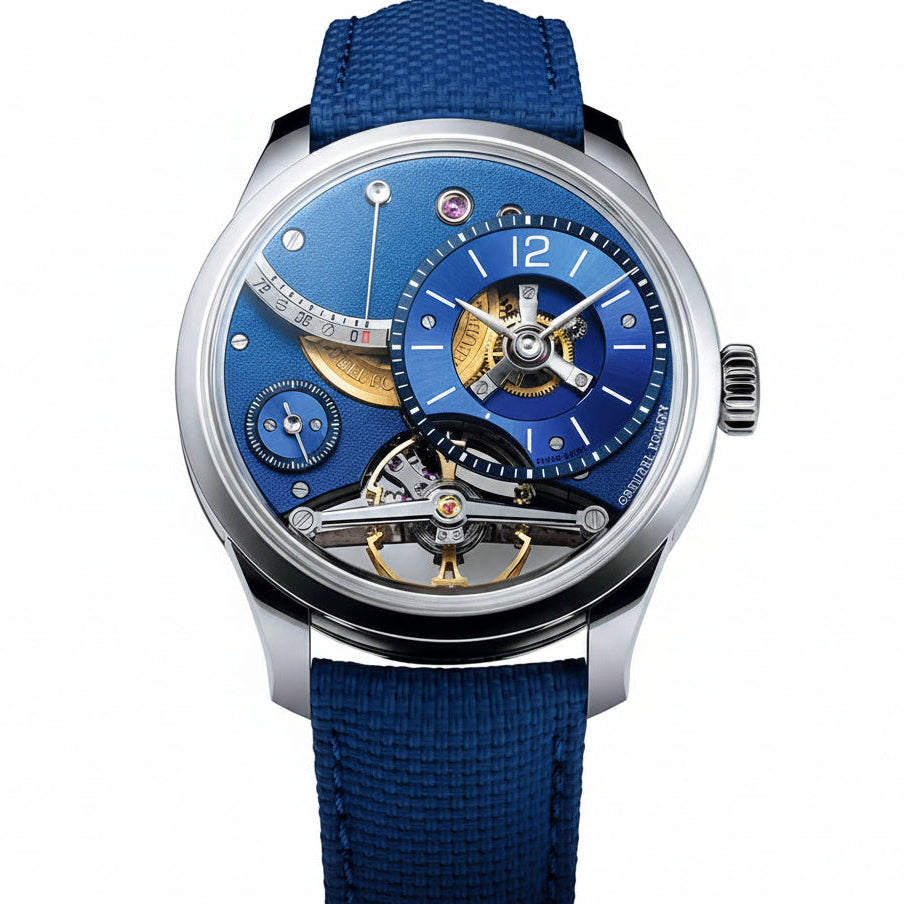
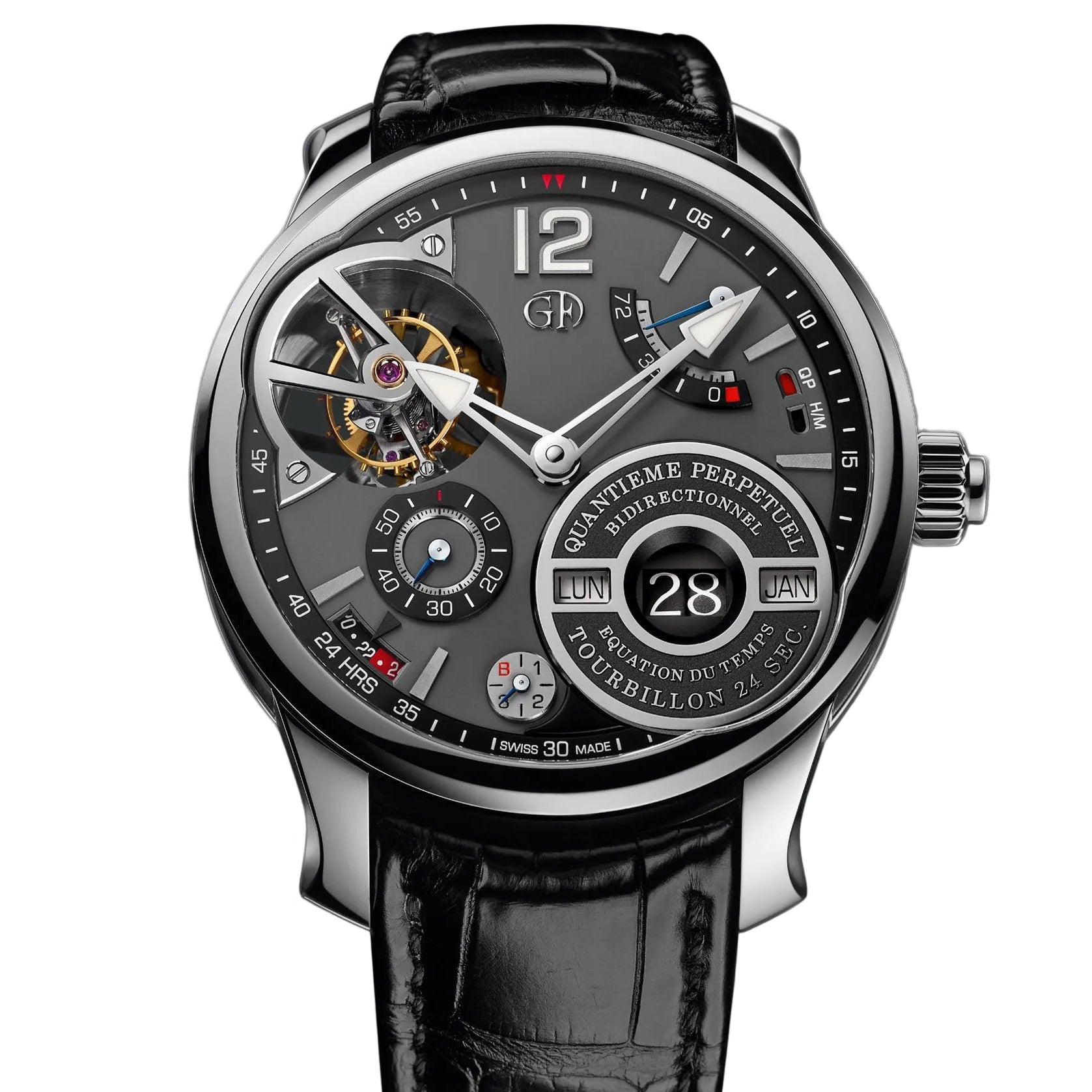
Swiss Gallery offers a carefully curated selection of Greubel Forsey's exceptional creations, including the Balancier Convexe, Hand Made, Tourbillon 24 Secondes, Nano Foudroyante, GMT and QP collections. Each model represents the pinnacle of independent Swiss watchmaking, combining technical mastery, sculptural design and exceptional exclusivity.
Yes. We invite you to experience Greubel Forsey at our Bond Street showroom, where our specialists can guide you through the collection, explain the remarkable mechanical innovations behind each timepiece and help you discover the model that best suits your collecting ambitions.
Swiss Gallery offers a personalised luxury buying experience with expert guidance, worldwide concierge services and access to one of the world's most exclusive independent watch manufactures. Whether you're seeking a rare limited edition, a Hand Made masterpiece or a technically advanced Balancier Convexe, our experienced team provides trusted advice and exceptional customer care from our Bond Street showroom.