
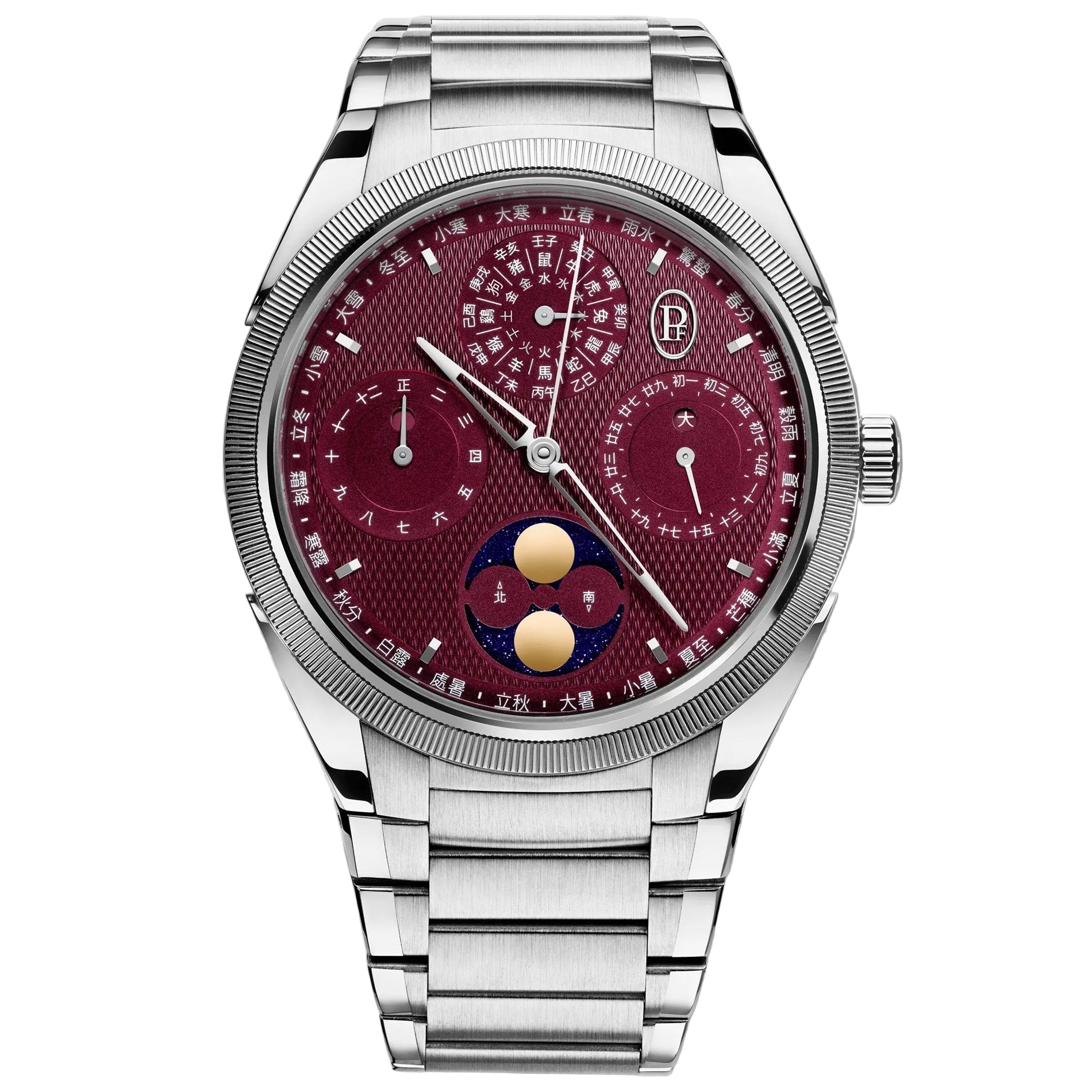
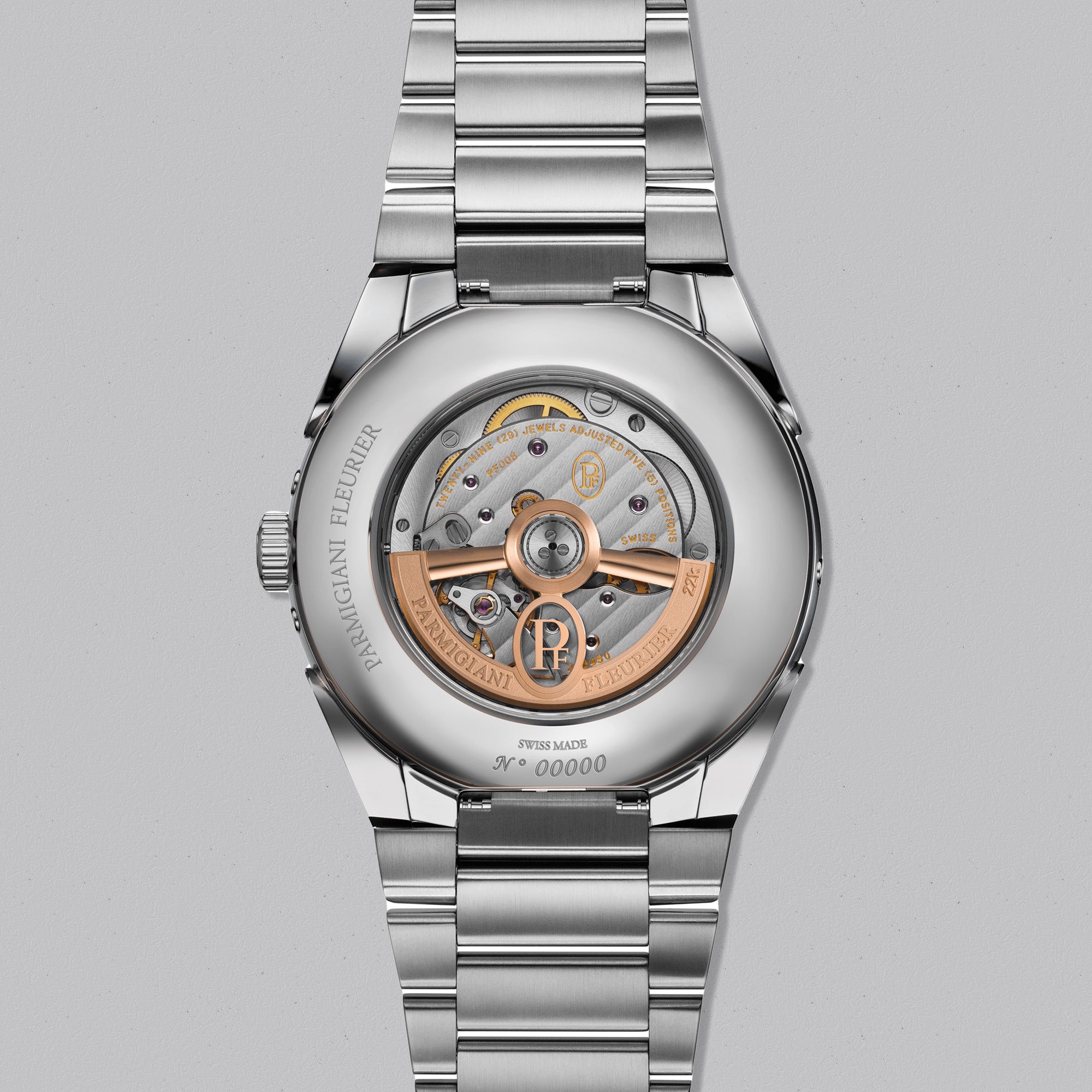
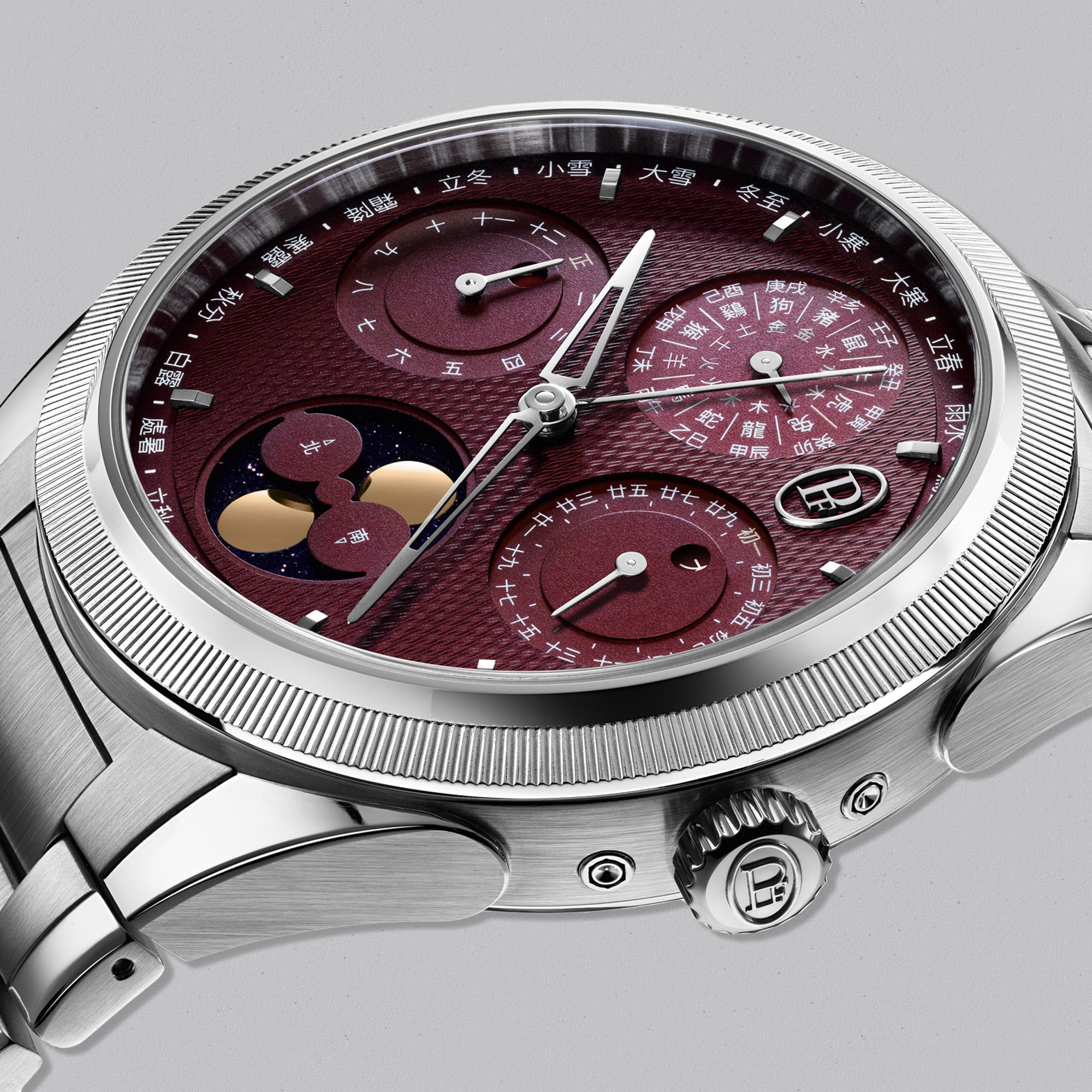
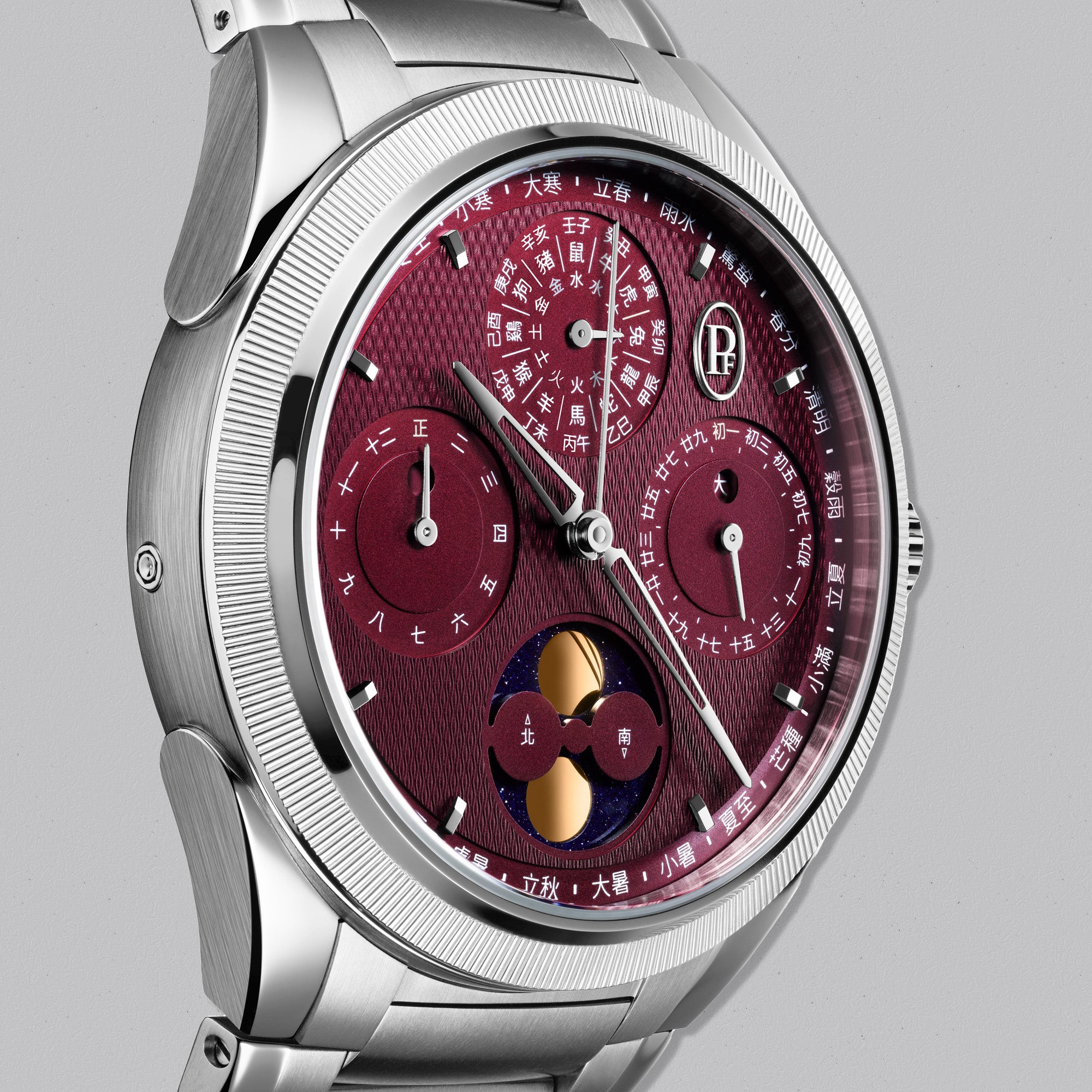
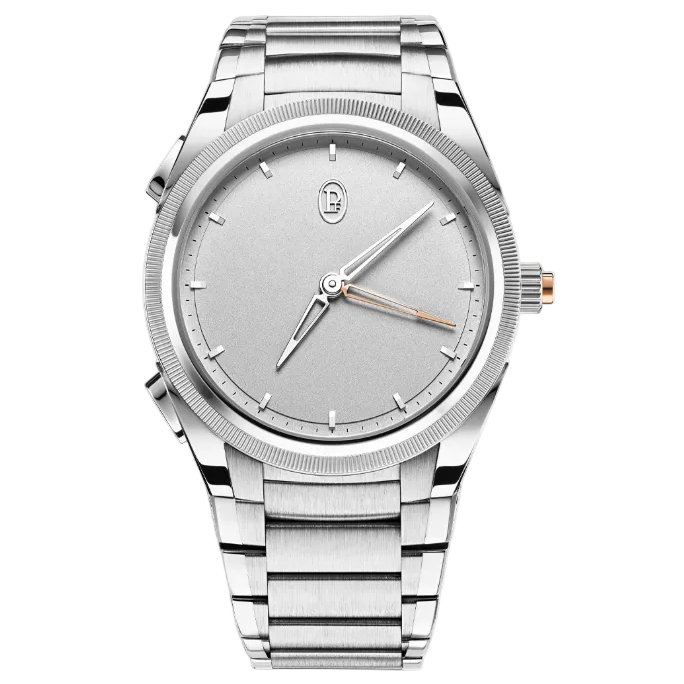
Parmigiani Fleurier Tonda PF Xiali Chinese Calendar Steel Imperial Red
More than just a calendar, Xiali is an ode to the calendars and civilizations of the world through the Swiss mechanical art so dear to Parmigiani Fleurier since its founding.
XIALI: THE CHINESE TRADITIONAL COMPLETE CALENDAR
Throughout history, man has sought to control time, to predict and chart its flow, in order to better organize the rhythm of social, religious and agricultural life.
The calendar, which is universal, allows us to identify dates that are inscribed like milestones in the flow of time.
We have long been fascinated by this cultural phenomenon and present the TONDA PF Xiali Calendar, an extremely complex creation, that follows up the Gregorian and Muslim Calendars, developed by our Maison.
The calendar functions are among the most fascinating, mirroring civilizations and societies, receptacles of belief, and indefinable phenomena such as the movement of shadows, alternation of seasons, and the mysteries of the lunar cycle. Together, such phenomena play a vital role in human activity.
LUNAR-SOLAR CALENDAR
The Chinese Calendar is complex, as it combines elements of both a solar and a lunar calendar, which are calculated separately and then synchronised.
This is accomplished by the addition of an extra lunar or intercalary month. This 13th month, which allows the two cycles to coincide, occurs approximately every three years.
The Chinese calendar divides the solar year into 24 solar terms, or breaths, which symbolise the agricultural calendar.
The New Year appears according to precise rules and takes the name of the month that precedes it. The calculation is complex but allows us to follow the seasons and to set the Chinese New Year at the arrival of spring, which varies between the end of January and the end of February in our calendar, between January 21 and February 19.
SIXTY-YEAR PERIOD
Unlike the Gregorian calendar, which names the months and numbers the years, the Chinese calendar names the lunar years and numbers the months.
The names of the years are repeated on a 60-year (sexagesimal) cycle, but the calendar including dates, days and months, is calculated on the basis of astronomical observations and varies. Because these calculations vary, it is impossible to make a “perpetual” Chinese calendar.
The Xiali Calendar goes as far as it is possible to go in creating the most complete and most precise Chinese calendar in the form of a timepiece.
The numbering system of the time units is based on the combination of a decimal cycle, the ten Celestial Stems, and a duodecimal cycle, the twelve Earthly Branches.
The 10 Celestial Stems serve the function of assigning elements to seasons and the planets — water, wood, metal, fire, and earth. The 12 Earthly Branches correspond to the signs of the zodiac: each is represented by an animal, which designates the years of the sexagesimal cycle and will influence the destiny and character of human beings born in that year.
Choose options
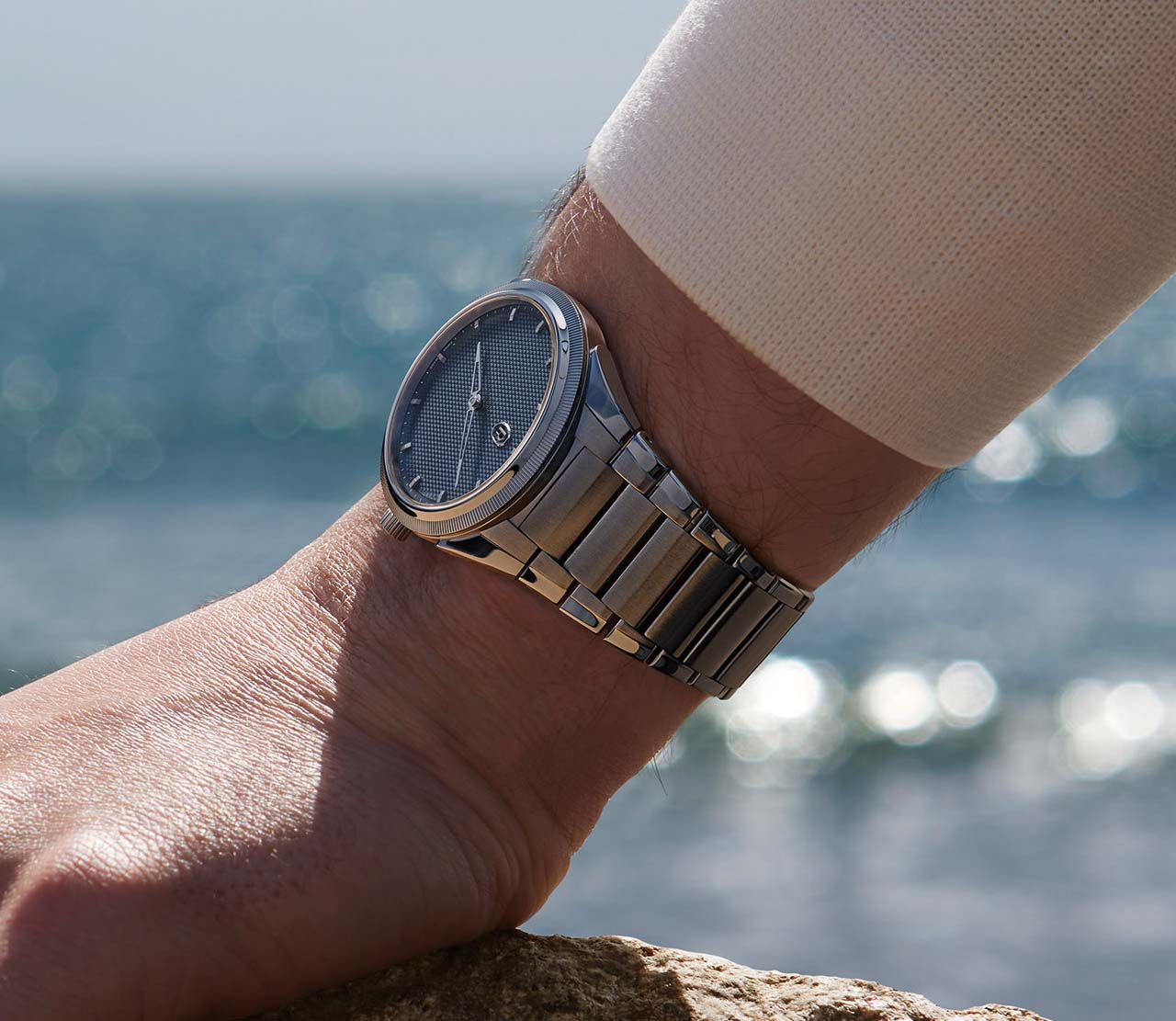
The discipline of refined watchmaking
Parmigiani Fleurier defines its identity through a fully integrated approach to watchmaking, where every stage of creation is carried out within a single, vertically unified manufacture. From design and movement engineering to case construction and dial finishing, each component is developed within a connected ecosystem of specialist ateliers, allowing for complete control over both technical execution and aesthetic direction. This structure enables the Maison to refine every detail with precision, ensuring consistency, harmony, and a distinctly coherent design language across all timepieces.
At the heart of its process lies a philosophy shaped by restoration expertise and applied craftsmanship, where historical watchmaking knowledge informs modern innovation. Multiple in-house specialists collaborate across disciplines, bringing together traditional artisanal skills such as guilloché and enamelling with advanced manufacturing techniques. The result is a collection of timepieces defined by depth, refinement, and mechanical integrity, where each watch reflects a disciplined balance between heritage-inspired artistry and contemporary horological performance.
Shop The Parmigiani Fleurier Range
Parmigiani Fleurier


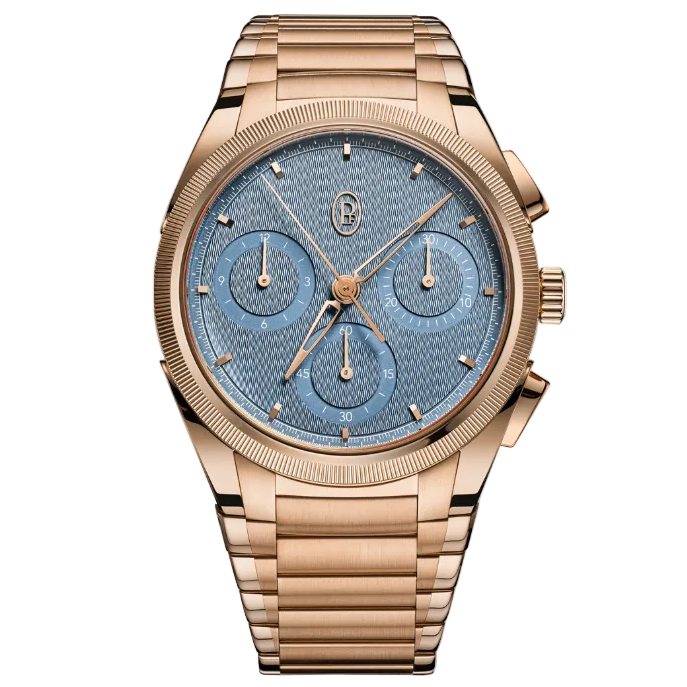
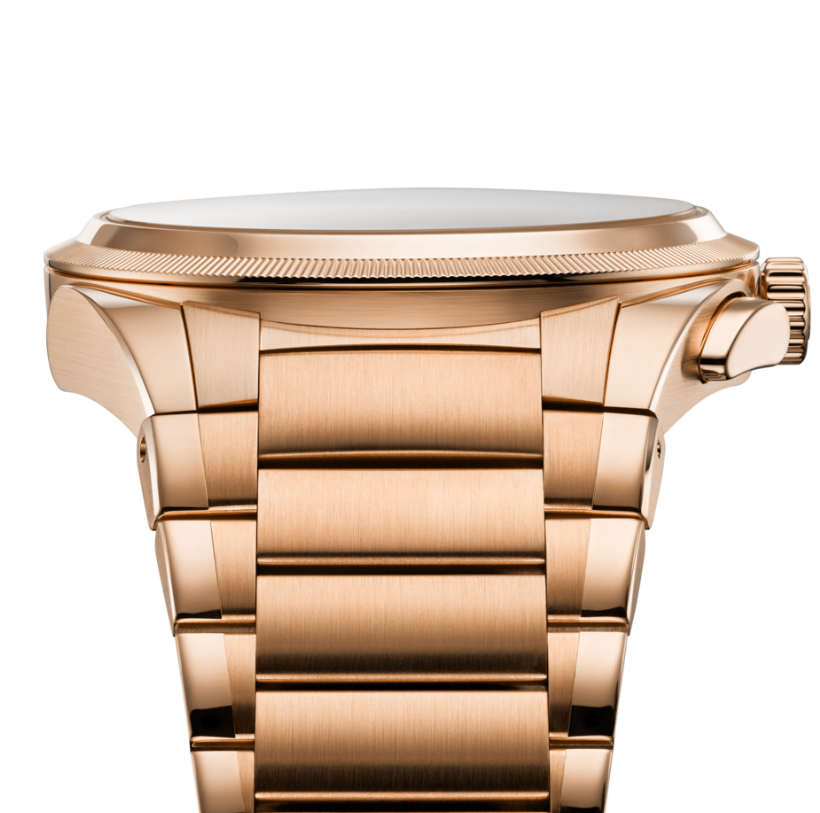
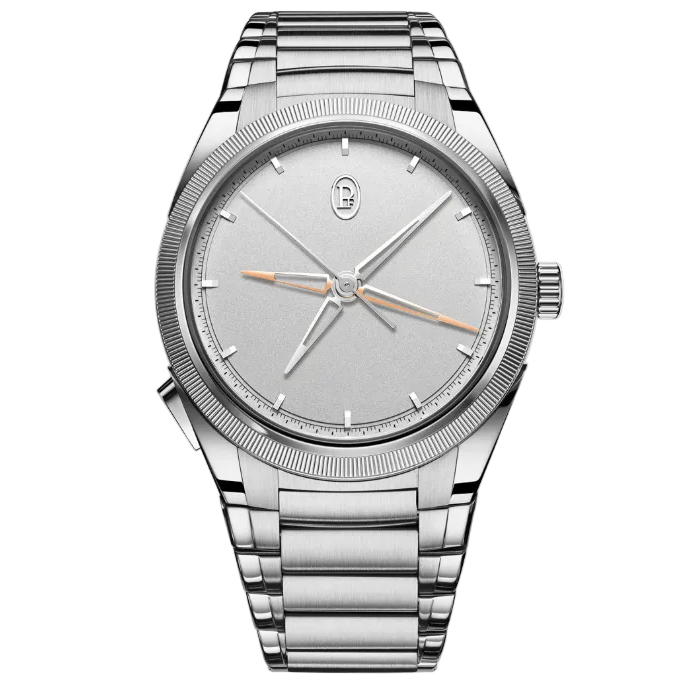
The architecture of complete watchmaking
Parmigiani Fleurier unites every stage of watchmaking within one integrated creative ecosystem. The result is coherent timepieces defined by harmony, restraint, and technical clarity.